


Blog

Best Practices for Mobile App Security in 2024
With the turning pages of each day, our lives are becoming more and more dependent on mobile applications, which is...
Read More about Best Practices for Mobile App Security in 2024Identify and address security vulnerabilities throughout the software development lifecycle. Innvonix delivers application security and DevSecOps services that integrate security into application architecture, development, testing, and delivery pipelines, helping organizations reduce security risks, improve release efficiency, and minimize remediation costs.

Modern applications face security risks across APIs, open-source dependencies, containers, and continuous delivery environments. Innvonix helps organizations establish secure development practices through automated testing, architecture reviews, software supply chain controls, and developer enablement.
We align application security with engineering workflows and business priorities to strengthen protection without compromising delivery efficiency.
Integrate security into requirements, architecture, and development to identify vulnerabilities earlier and reduce remediation effort.

Introduce automated security checks into CI/CD workflows to maintain consistent protection across software releases.

Use threat modeling, architecture reviews, and security assessments to identify vulnerabilities and prioritize remediation based on business impact.

Manage risks across open-source dependencies, container images, build systems, and infrastructure-as-code components.

Strengthen web application and API security through vulnerability management, security testing, and continuous monitoring.

Equip developers with secure coding guidance, practical training, and prioritized security findings to improve development practices.

Our application security and DevSecOps services help organizations assess vulnerabilities, implement security controls, and establish sustainable development practices. We work with engineering, security, and operations teams to integrate protection into existing technology environments.



Assess application architecture, security controls, development practices, and risk exposure. Establish a prioritized security roadmap covering governance, secure design, vulnerability management, and application protection.


Evaluate web applications, APIs, authentication mechanisms, authorization controls, and potential attack surfaces through threat modeling, architecture reviews, and OWASP-based assessments.


Identify vulnerabilities through static and dynamic application security testing, software composition analysis, manual code reviews, and application security assessments.


Integrate security into CI/CD pipelines through automated code analysis, dependency scanning, container security, infrastructure-as-code testing, secrets management, and security policy enforcement.


Define security processes, engineering responsibilities, implementation roadmaps, and performance metrics that improve collaboration between development, security, and operations teams.


Improve software component visibility through Software Bills of Materials (SBOMs), dependency risk assessments, vulnerability tracking, and prioritized remediation processes.


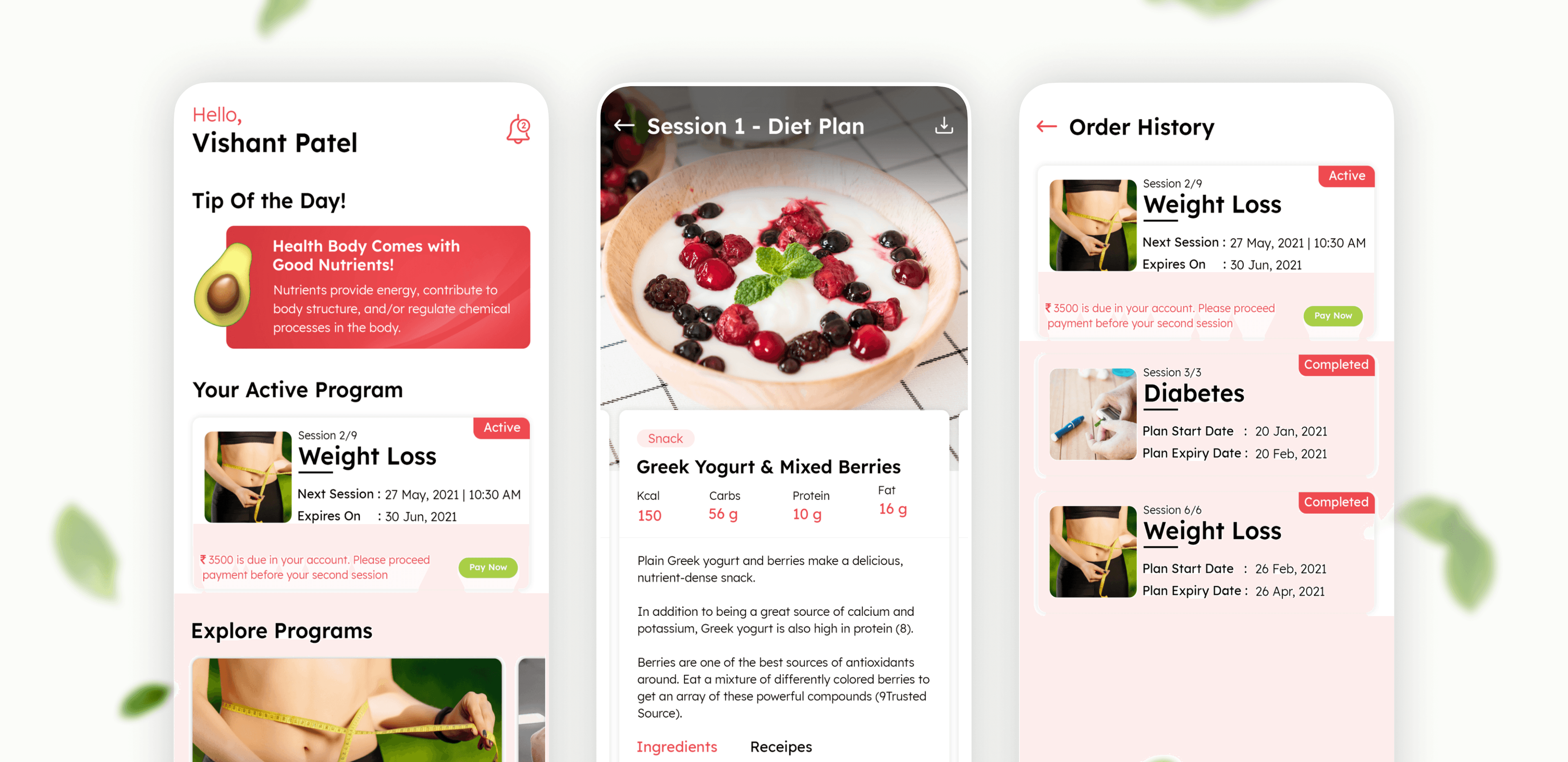
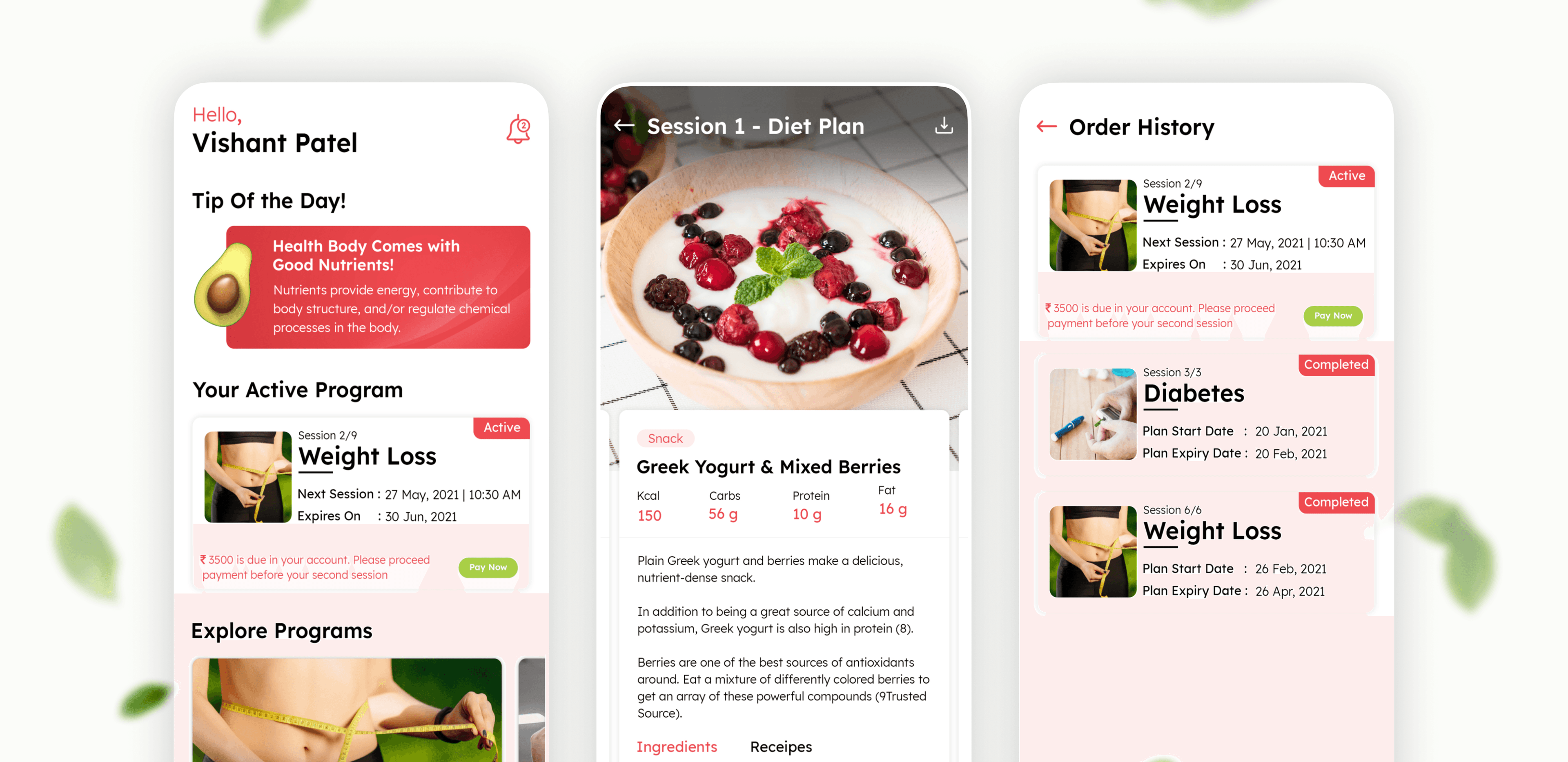
My Diet Studio is an online diet and wellness program provider offering personalized coaching to help individuals lose weight and improve their overall health in a convenient, accessible, and affordable way. Innvonix partnered with the client to build a platform combining personalized diet planning, body composition analysis, and continuous follow-up support delivered via WhatsApp, messaging, and calls.
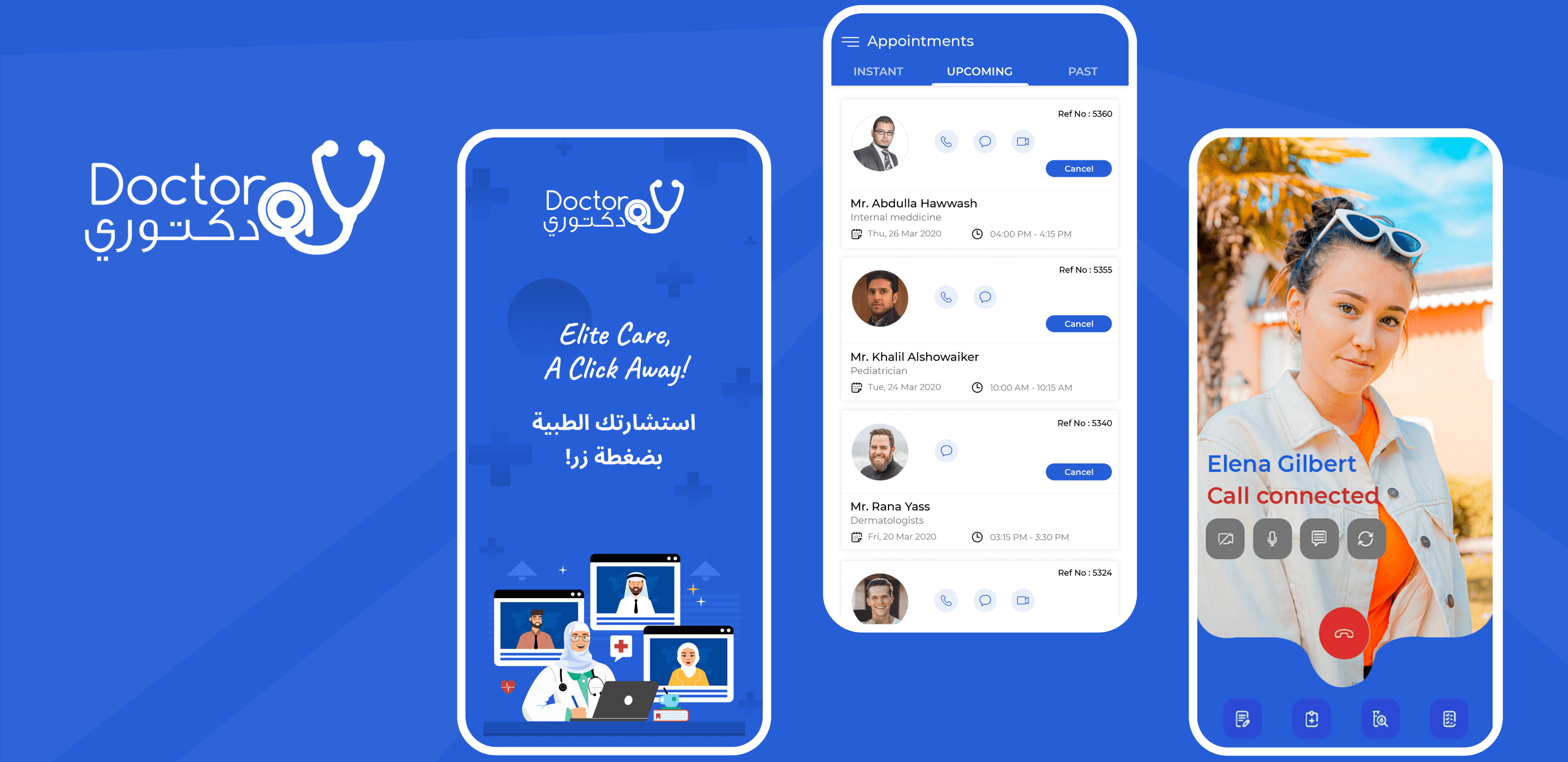
Doctoray is a digital healthcare platform designed to make medical consultations more accessible by connecting patients with doctors online. The platform enables users to discover doctors, check availability, schedule appointments, and consult healthcare professionals remotely through chat, audio, or video.
Our framework assesses application risks, prioritizes security measures, and integrates controls across software delivery to strengthen protection and reduce risk.
Inventory applications and development pipelines, review existing security practices, and evaluate vulnerabilities based on application criticality, architecture, and data sensitivity.
Evaluate security findings based on business impact, exploitability, application exposure, and remediation effort to establish a prioritized implementation roadmap.
Define secure coding standards, threat modeling practices, pipeline security checks, and processes for identifying, reporting, and resolving vulnerabilities.
Integrate security controls into development workflows, enable engineering teams, optimize security tools, and track performance to improve security maturity over time.
Reactive security delays releases, increases remediation costs, and exposes applications to risk. Integrating security early helps prevent vulnerabilities and maintain consistent protection.
Business Challenge
Security reviews delay software releases.
With Application Security & DevSecOps
Automated checks streamline security reviews across development workflows.
Business Challenge
Production vulnerabilities increase remediation costs.
With Application Security & DevSecOps
Earlier detection reduces the effort required to resolve vulnerabilities.
Business Challenge
Developers receive unprioritized security findings.
With Application Security & DevSecOps
Risk-based triage directs engineering effort toward critical issues.
Business Challenge
Third-party dependencies lack visibility.
With Application Security & DevSecOps
Supply chain controls improve component tracking and risk assessment.
Business Challenge
Security and development teams work independently.
With Application Security & DevSecOps
Shared processes and metrics strengthen cross-team collaboration.
Business Challenge
Credentials and secrets are exposed in code or pipelines.
With Application Security & DevSecOps
Secrets scanning and centralized management strengthen credential protection.
Business Challenge
Security performance is difficult to measure.
With Application Security & DevSecOps
Continuous testing and reporting provide visibility into risks and remediation progress.

Discuss your application security requirements with Innvonix and identify practical opportunities to integrate security into development and delivery.

We prioritize applications, data, and business processes based on operational importance, security exposure, and business requirements.

We recommend security tools and practices based on your technology stack, development workflows, and existing capabilities.

Our software engineering experience helps translate security requirements into practical controls across application development and delivery.

We introduce security controls in phases, balancing protection requirements with release schedules and operational priorities.

Our engineering teams work with development, security, and operations stakeholders to establish clear responsibilities and shared accountability.

We strengthen internal security capabilities through development standards, team enablement, practical training, and technical documentation.
Application security requirements vary by industry. Innvonix aligns security practices with regulatory needs, application environments, and business priorities.


Protect clinical applications and healthcare APIs through appropriate access controls, data protection, and secure development practices.


Strengthen banking, transaction, and customer-facing applications through security testing, authentication controls, and documented security practices.


Protect e-commerce platforms, payment applications, and customer information against vulnerabilities, fraud, and unauthorized access.


Secure learning platforms, student information systems, and digital education applications across diverse user environments.


Protect applications connecting production facilities, supply chains, and enterprise systems against unauthorized access and security threats.


Secure tracking platforms, partner portals, customer applications, and connected APIs that support supply chain operations.


Strengthen booking, guest management, and payment applications across digital channels and customer touchpoints.


Protect field applications and data platforms handling agricultural information, connected devices, and supply chain data.


Secure engineering and manufacturing applications that manage sensitive intellectual property and operational information.


Protect client portals and internal applications that process confidential business information and client data.


Strengthen property listing, transaction, and tenant management applications that handle financial and personal information.


Integrate application security into multi-tenant products and development pipelines to strengthen customer trust and support security requirements.
Protect clinical applications and healthcare APIs through appropriate access controls, data protection, and secure development practices.
Read More about HealthcareWe combine application security expertise, engineering capabilities, and technology experience to help organizations strengthen software protection and improve delivery outcomes.
Our experience across industries, technologies, and delivery environments helps organizations address complex engineering and technology requirements.
Years of Experience
Projects Delivered
Global Clients
Countries Served
Our engineering capabilities provide the expertise and delivery capacity required to support complex application development and security initiatives.
Team Members
Senior Developers
Technologies
Development Hours Delivered
Our experience across application development, cloud infrastructure, and enterprise integration supports secure and connected technology environments.
AI & ML Models Built
APIs & Endpoints Engineered
System Integrations Delivered
Cloud Infrastructures Managed
Years of Experience
Projects Delivered
Global Clients
Countries Served
Establish essential security practices, secure coding standards, and automated development checks to manage vulnerabilities as applications and teams grow.

Move beyond periodic security reviews toward consistent security processes, automated testing, and risk-based remediation that support faster software releases.

Coordinate application security across multiple teams and systems through standardized controls, centralized risk visibility, and enterprise-wide security governance.

Real-world insights from enterprise technology delivery and transformation programs, with practical perspectives across AI, cloud, and scalable digital systems.
With the turning pages of each day, our lives are becoming more and more dependent on mobile applications, which is...
Read More about Best Practices for Mobile App Security in 2024

AI is changing the world around us, making it easier, faster, and more efficient. From helping doctors diagnose better to powering your favorite apps
Read More about What is AI TRiSM? Benefits, Industries, and Applications

The modern corporate world is plagued by the age-old problem of how to maintain a creative edge, enhance processes, and provide..
Read More about Best Software Consulting Companies in the USA

There are constant changes happening every day in the software development industry as well as in the software development...
Read More about Top Software Development Trends to Watch in 2025

Quality Assurance (QA) is like the superhero of the software world, ensuring that applications meet high standards in terms...
Read More about Challenges Faced by QA to Improve Software PerformanceConnect application security and DevSecOps with the engineering, cloud, and cybersecurity capabilities required to build and operate secure software.


Build CI/CD pipelines, infrastructure automation, and developer platforms that improve delivery consistency and operational efficiency.


Strengthen cloud security and address compliance requirements across AWS, Azure, and Google Cloud environments.


Assess security exposure, identify control gaps, and establish risk management roadmaps across technology environments.


Improve software reliability through test automation, performance testing, API testing, and quality engineering.


Strengthen access security through zero trust strategy, architecture, and implementation.


Design scalable, secure, and maintainable application architectures aligned with evolving business requirements.
Build CI/CD pipelines, infrastructure automation, and developer platforms that improve delivery consistency and operational efficiency.
Read More about DevOps & Platform EngineeringFind answers to common questions about application security services, DevSecOps implementation, secure development practices, and security testing.
Application security focuses on protecting software throughout its lifecycle, including design, development, testing, and production. DevSecOps integrates security into development and delivery workflows through automation and shared responsibilities across development, security, and operations teams. Together, they help organizations maintain application security while improving delivery efficiency.
Shift left means identifying security issues earlier in the software development lifecycle, particularly during design and coding. Early detection reduces remediation effort and helps prevent vulnerabilities from reaching production. When implemented effectively, automated checks provide timely, prioritized feedback without creating unnecessary workflow interruptions.
Application security testing can include Static Application Security Testing (SAST), Dynamic Application Security Testing (DAST), Software Composition Analysis (SCA), container scanning, and infrastructure-as-code security testing. Manual code reviews and security assessments can also identify design and business logic vulnerabilities that automated tools may not detect.
We use established security guidance, including the OWASP Top 10, OWASP Application Security Verification Standard (ASVS), and NIST Secure Software Development Framework (SP 800-218). These references help align security practices with application requirements and recognized industry guidance. Their use does not imply certification or endorsement.
Start by assessing critical applications, development pipelines, and existing security controls. Identify high-priority risks and evaluate opportunities to introduce practices such as dependency scanning, secrets management, threat modeling, and automated security testing. A phased implementation helps strengthen application security while maintaining development priorities.
DevSecOps helps organizations identify vulnerabilities earlier, automate security checks, improve collaboration between engineering and security teams, and maintain consistent security controls. It also reduces late-stage remediation efforts and supports more predictable software releases.
We assess existing development workflows and identify appropriate stages for integrating security tools. This may include static code analysis, dependency scanning, container security, secrets detection, and infrastructure-as-code checks. Implementation is aligned with your technology stack, development practices, and release requirements.
Security testing should be integrated throughout the development lifecycle rather than limited to periodic reviews. Automated checks can run with every code change, while deeper security assessments and penetration testing can be scheduled based on application criticality, release cycles, and risk exposure.
Yes. DevSecOps practices can be introduced into legacy environments through application assessments, code analysis, dependency management, and integration with existing deployment processes. Implementation priorities depend on application architecture, technology stack, security exposure, and operational constraints.
Connect with our experts to explore opportunities across AI, software, cloud, integration, and digital transformation.