



Blog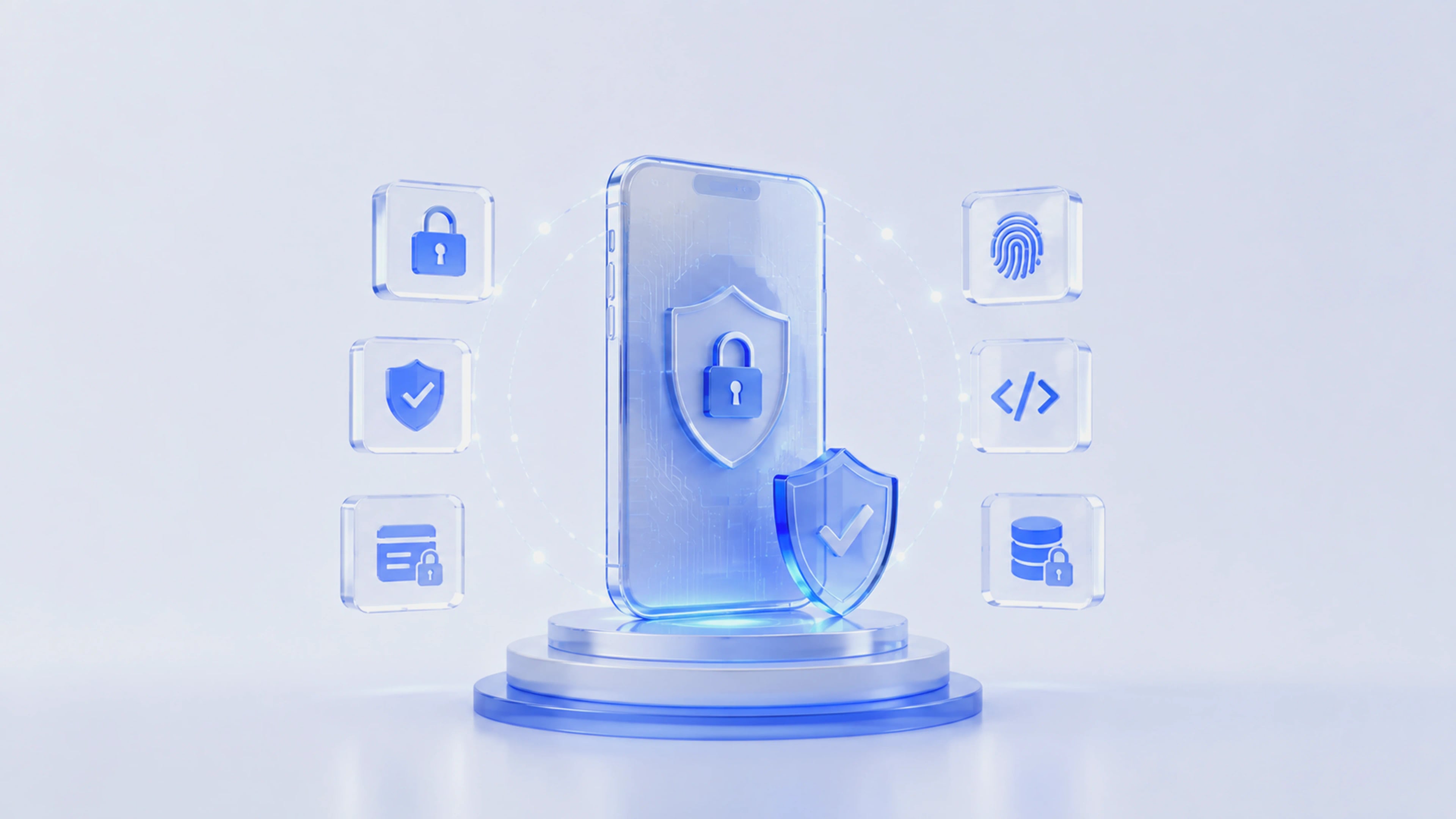
Best Practices for Mobile App Security in 2024
With the turning pages of each day, our lives are becoming more and more dependent on mobile applications, which is...
Read More about Best Practices for Mobile App Security in 2024Innvonix delivers Zero Trust Security services that strengthen access controls, reduce risks, and protect critical systems across cloud and remote environments. Our approach helps organizations verify access, enforce least-privilege policies, and improve visibility across users, devices, and applications.

Zero Trust is not a single product. It is a security approach built on the principle that no user, device, or network location should be trusted automatically. Innvonix aligns identity, devices, networks, applications, and data with business priorities, helping technology leaders move beyond traditional perimeter defenses toward continuous verification.
We turn security complexity into a strategic advantage through the architecture, priorities, and execution roadmap needed to strengthen security and deliver measurable business value.
Authenticate and authorize access using identity, device health, location, and contextual signals rather than relying solely on passwords or network addresses.

Give users, applications, and services only the access they need, for as long as required, with regular access reviews.

Design security with the possibility of compromise in mind. Limit lateral movement through system segmentation, access restrictions, and continuous monitoring.

Validate the health and compliance of laptops, mobile devices, servers, containers, and cloud workloads before and during access.

Classify sensitive data and protect it through encryption, access controls, and monitoring across applications, cloud environments, and endpoints.

Collect and analyze security signals across the environment to support automated responses and consistent policy enforcement.

Move from perimeter-based defenses to continuous verification. Our Zero Trust Security services help organizations plan and execute the transition without disrupting business operations. We assess existing security controls, design the target architecture, and implement improvements in phases to strengthen protection while maintaining operational continuity.



Assess existing security maturity, identify critical assets and priority risks, and develop a practical Zero Trust roadmap aligned with business objectives.


Design Zero Trust architectures that define how identities, devices, networks, applications, and data are verified and controlled, including network-level security architecture.


Implement Zero Trust controls in phases, from multi-factor authentication and conditional access to advanced segmentation and centralized policy enforcement.


Strengthen network security through secure remote access, microsegmentation, and granular traffic controls that reduce reliance on broad VPN access.


Apply Zero Trust principles across cloud accounts, workloads, SaaS applications, and multi-cloud environments through consistent identity, access, and security posture management.


Maintain and improve enterprise Zero Trust environments through security governance, policy management, continuous monitoring, and ongoing optimization as business needs and threats evolve.
Our Zero Trust framework helps technology leaders assess risks, prioritize initiatives, and implement phased improvements aligned with NIST and CISA guidance.
Assess identities, devices, networks, applications, and security controls to establish Zero Trust maturity. Identify gaps, access risks, and implementation priorities.
Identify critical assets and risks. Prioritize initiatives based on risk reduction, business impact, effort, and operational dependencies.
Define the target architecture, access policies, segmentation strategy, and technology requirements aligned with business needs.
Implement controls in stages, validate effectiveness, and refine policies as business needs, technology, and threats evolve.
Business Challenges
Anyone inside the network is trusted by default.
With Zero Trust Security
Access requests are evaluated using identity, device, and contextual signals, regardless of network location.
Business Challenges
A stolen password can expose multiple systems.
With Zero Trust Security
Strong authentication and least-privilege access help reduce unauthorized access risks.
Business Challenges
Attackers who gain entry can move freely across systems.
With Zero Trust Security
Segmentation and continuous monitoring help restrict lateral movement and identify suspicious activity.
Business Challenges
Remote and cloud access is difficult to control consistently.
With Zero Trust Security
Unified security policies help govern users, devices, and workloads across environments.
Business Challenges
Device security and compliance are often unknown.
With Zero Trust Security
Device health and compliance are evaluated before and during access.
Business Challenges
Security tools and policies operate in silos.
With Zero Trust Security
A coordinated architecture connects identity, network, application, and data security.
Business Challenges
Zero Trust adoption feels too complex to begin.
With Zero Trust Security
A phased roadmap supports incremental improvements and measurable progress.

We start with your critical assets, business processes, and risk priorities, building a Zero Trust strategy around your operational requirements and business objectives.

We recommend architectures and technologies based on your existing environment, security requirements, and budget across AWS, Azure, Google Cloud, and on-premises infrastructure. We prioritize existing investments wherever practical.

We support the Zero Trust journey, from security assessment and architecture design to implementation, systems integration, and ongoing operations.

We evaluate user impact, application dependencies, and operational continuity before changing access policies, using phased rollouts to minimize disruption.

Our security architects work directly with security, IT, and business leaders to align priorities, build consensus, and maintain implementation momentum.

We build sustainable Zero Trust capabilities that your teams can manage, adapt, and extend as your technology environment and security requirements evolve.


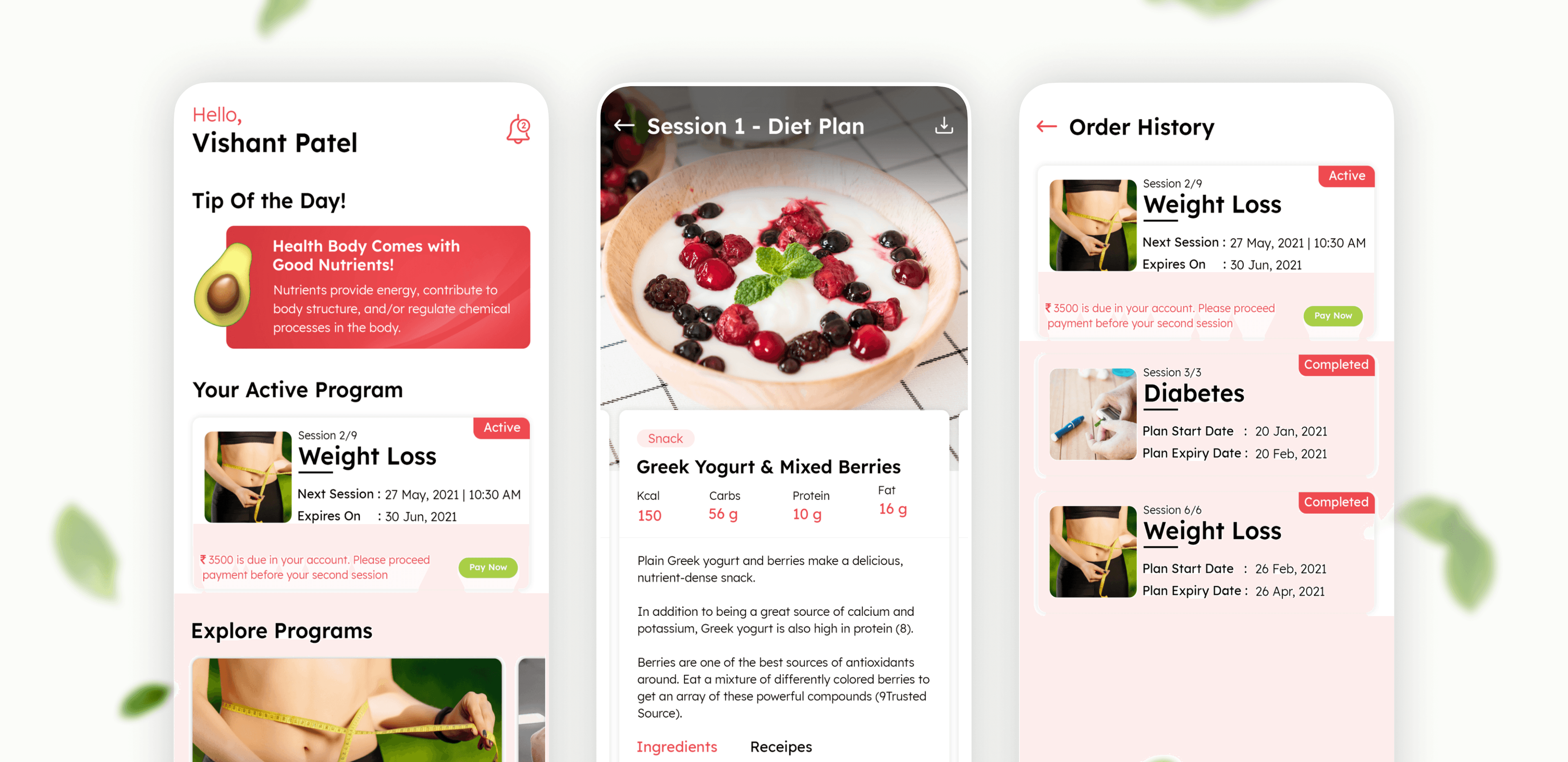
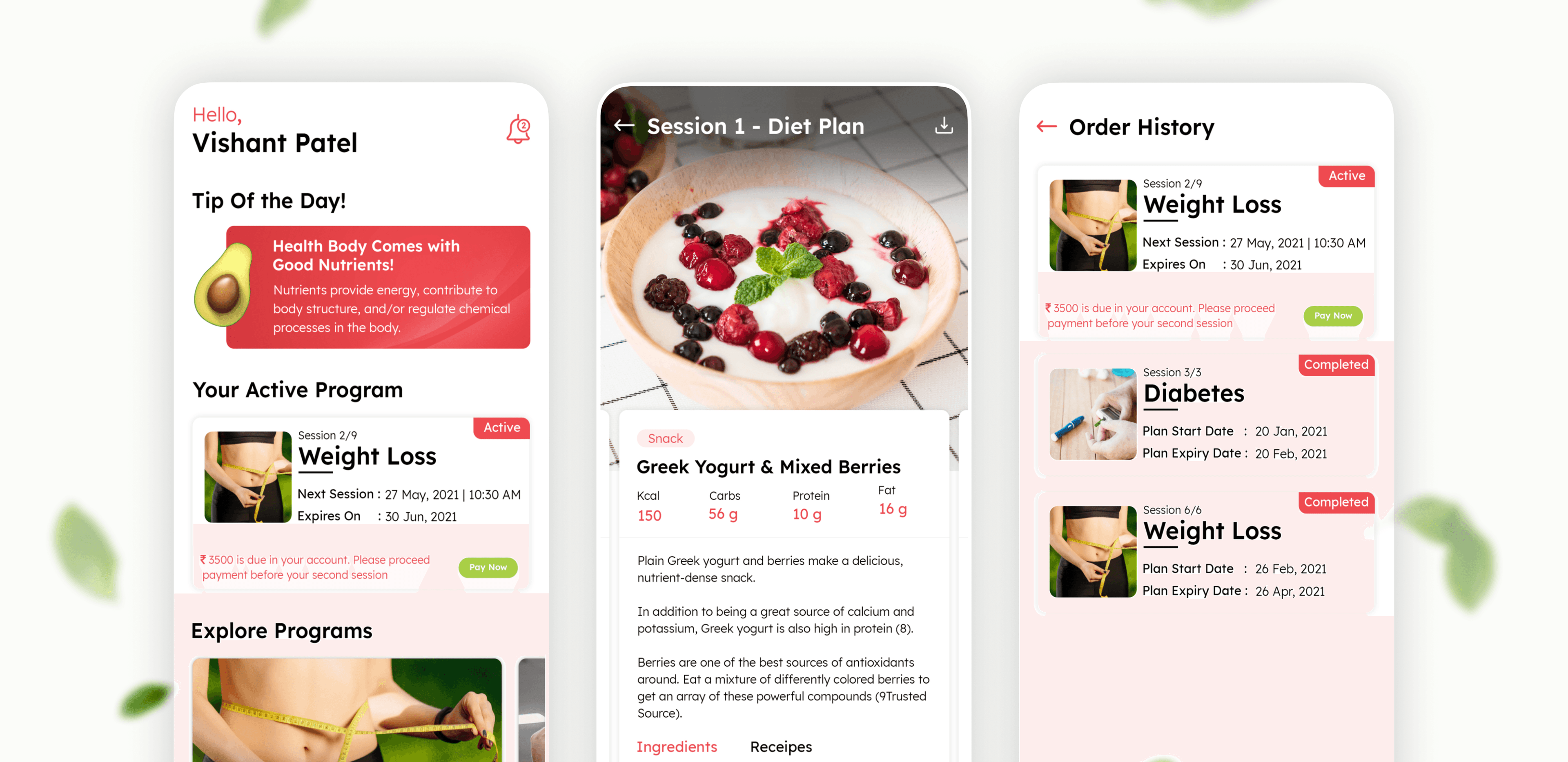
My Diet Studio is an online diet and wellness program provider offering personalized coaching to help individuals lose weight and improve their overall health in a convenient, accessible, and affordable way. Innvonix partnered with the client to build a platform combining personalized diet planning, body composition analysis, and continuous follow-up support delivered via WhatsApp, messaging, and calls.
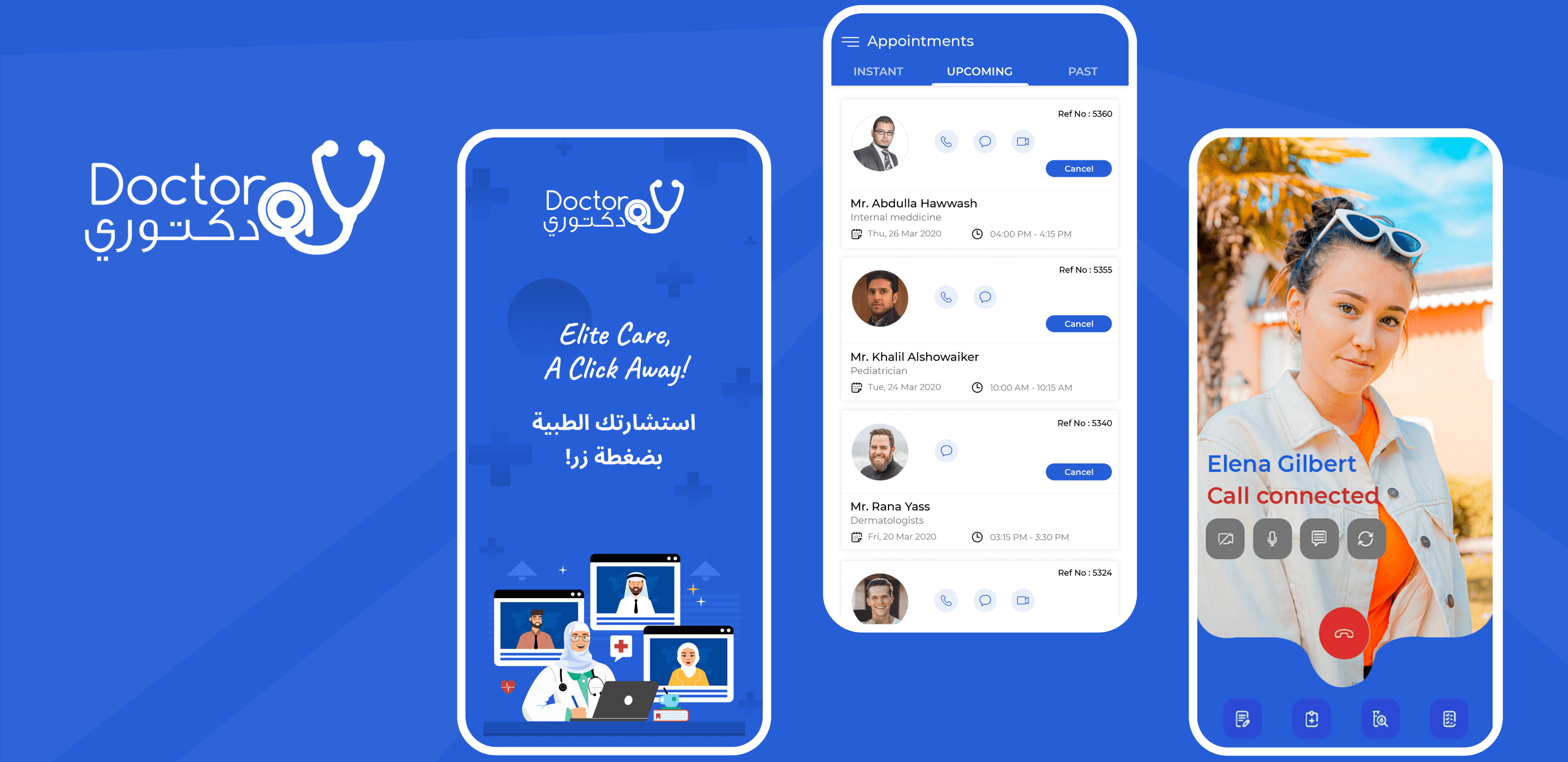
Doctoray is a digital healthcare platform designed to make medical consultations more accessible by connecting patients with doctors online. The platform enables users to discover doctors, check availability, schedule appointments, and consult healthcare professionals remotely through chat, audio, or video.
Security needs vary by industry based on the data, systems, and regulations involved. Innvonix aligns Zero Trust architecture and implementation priorities with these specific requirements.


Protect patient data and clinical systems through strong access controls, device verification, and segmentation of clinical and administrative networks.


Secure sensitive financial systems and customer data through continuous verification, least-privilege access, and detailed audit trails.


Protect physical stores, e-commerce platforms, payment systems, and supplier connections through consistent identity controls and network segmentation.


Secure student, staff, and research data across diverse users, devices, campuses, and remote learning environments.


Separate operational technology and plant systems from corporate networks while securing remote maintenance and third-party vendor access.


Protect operational data and control access across carriers, warehouses, distribution networks, and external partners.


Secure guest information, payment systems, and property networks across multiple locations and connected services.


Protect distributed field systems, connected sensors, and agricultural data platforms through strong identity and device verification.


Safeguard intellectual property, engineering environments, and sensitive design data through granular access controls and continuous monitoring.


Protect confidential client information and internal systems across projects, contractors, distributed teams, and remote working environments.


Secure property management, tenant information, and transaction systems across employees, service providers, and external partners.


Protect engineering environments, production infrastructure, and customer data through identity-centric access controls and continuous verification.
Protect patient data and clinical systems through strong access controls, device verification, and segmentation of clinical and administrative networks.
Read More about HealthcareZero Trust Security strengthens protection without adding complexity. We align security architecture with business priorities to reduce risks, support continuity, and maximize technology investments.
Our experience across industries, cloud platforms, and enterprise technology environments helps organizations strengthen security while maintaining business continuity.
Years of Experience
Projects Delivered
Global Clients
Countries Served
Our engineering teams bring the technical depth and delivery capacity to implement security controls across complex enterprise environments.
Technology Experts
Technologies
Development Hours
Production Systems Delivered
We combine cloud engineering, security architecture, and enterprise systems integration capabilities to connect security controls across diverse technology environments.
Major Cloud Platforms Supported
Cloud Infrastructures Managed
Systems Integrations Delivered
APIs and Endpoints Engineered
Years of Experience
Projects Delivered
Global Clients
Countries Served
Establish essential controls through MFA, device verification, and least-privilege access. Build a security foundation that scales with business growth.

Adopt a phased Zero Trust architecture to protect critical assets, strengthen access governance, and reduce security risks while managing resources and operational needs.

Extend Zero Trust across business units, regions, and cloud platforms. Establish consistent access policies, centralized governance, and scalable security architecture.

Real-world insights from enterprise technology delivery and transformation programs, with practical perspectives across AI, cloud, and scalable digital systems.
With the turning pages of each day, our lives are becoming more and more dependent on mobile applications, which is...
Read More about Best Practices for Mobile App Security in 2024

AI is changing the world around us, making it easier, faster, and more efficient. From helping doctors diagnose better to powering your favorite apps
Read More about What is AI TRiSM? Benefits, Industries, and Applications

The modern corporate world is plagued by the age-old problem of how to maintain a creative edge, enhance processes, and provide..
Read More about Best Software Consulting Companies in the USA

There are constant changes happening every day in the software development industry as well as in the software development...
Read More about Top Software Development Trends to Watch in 2025

Quality Assurance (QA) is like the superhero of the software world, ensuring that applications meet high standards in terms...
Read More about Challenges Faced by QA to Improve Software PerformanceZero Trust Security integrates with identity, cloud, and cybersecurity capabilities to strengthen protection across enterprise environments. Explore related services to address your security and infrastructure needs.


Strengthen identity management, streamline access control, and reduce security risks.


Secure cloud environments and address compliance gaps across AWS, Azure, and Google Cloud.


Assess risks, identify security gaps, and build practical roadmaps across infrastructure, applications, data, and operations.


Monitor, detect, and respond to cyber threats across infrastructure, applications, and data.


Align technology architecture with business strategy, operational requirements, and long-term goals.


Monitor, operate, and optimize cloud infrastructure across AWS, Azure, and Google Cloud.
Strengthen identity management, streamline access control, and reduce security risks.
Learn More about Identity and Access ManagementExplore answers to common questions about Zero Trust Security, from its core principles and implementation priorities to user experience, existing tools, and recognized frameworks.
Zero Trust is a security approach that does not automatically trust any user, device, or network location. Its three core principles are to verify explicitly using available signals, enforce least-privilege access, and assume breach to limit potential damage. It is a security strategy and architecture, not a single product.
Start with a security assessment to identify critical assets, existing vulnerabilities, and access risks. Prioritize practical improvements such as multi-factor authentication, conditional access, privileged access management, and asset inventory. Introduce deeper controls, including microsegmentation and secure remote access, in phases.
Often, yes. Zero Trust can build on existing identity providers, endpoint security platforms, network controls, and cloud security investments. Integration depends on your current architecture, technology compatibility, and security requirements. We assess existing capabilities and recommend improvements without replacing tools unnecessarily.
Zero Trust verifies user identity, device health, and access context before granting access to business resources. This helps organizations secure remote connections while maintaining controlled access to applications and data.
Traditional network security often relies on perimeter-based defenses, while Zero Trust evaluates access based on identity, device health, context, and policy. It extends security controls across users, applications, networks, and data, including resources outside the corporate network.
Organizations can track metrics such as unauthorized access attempts, privileged access exposure, policy violations, incident response time, endpoint compliance, and access review completion. These indicators help assess security improvements and operational effectiveness.
We draw on established guidance, including NIST Special Publication 800-207 on Zero Trust Architecture and CISA's Zero Trust Maturity Model. We adapt these references to your organization's size, risk profile, technology environment, and regulatory requirements. Our approach does not imply certification or endorsement by either organization.
Connect with our experts to explore opportunities across AI, software, cloud, integration, and digital transformation.