



Blog

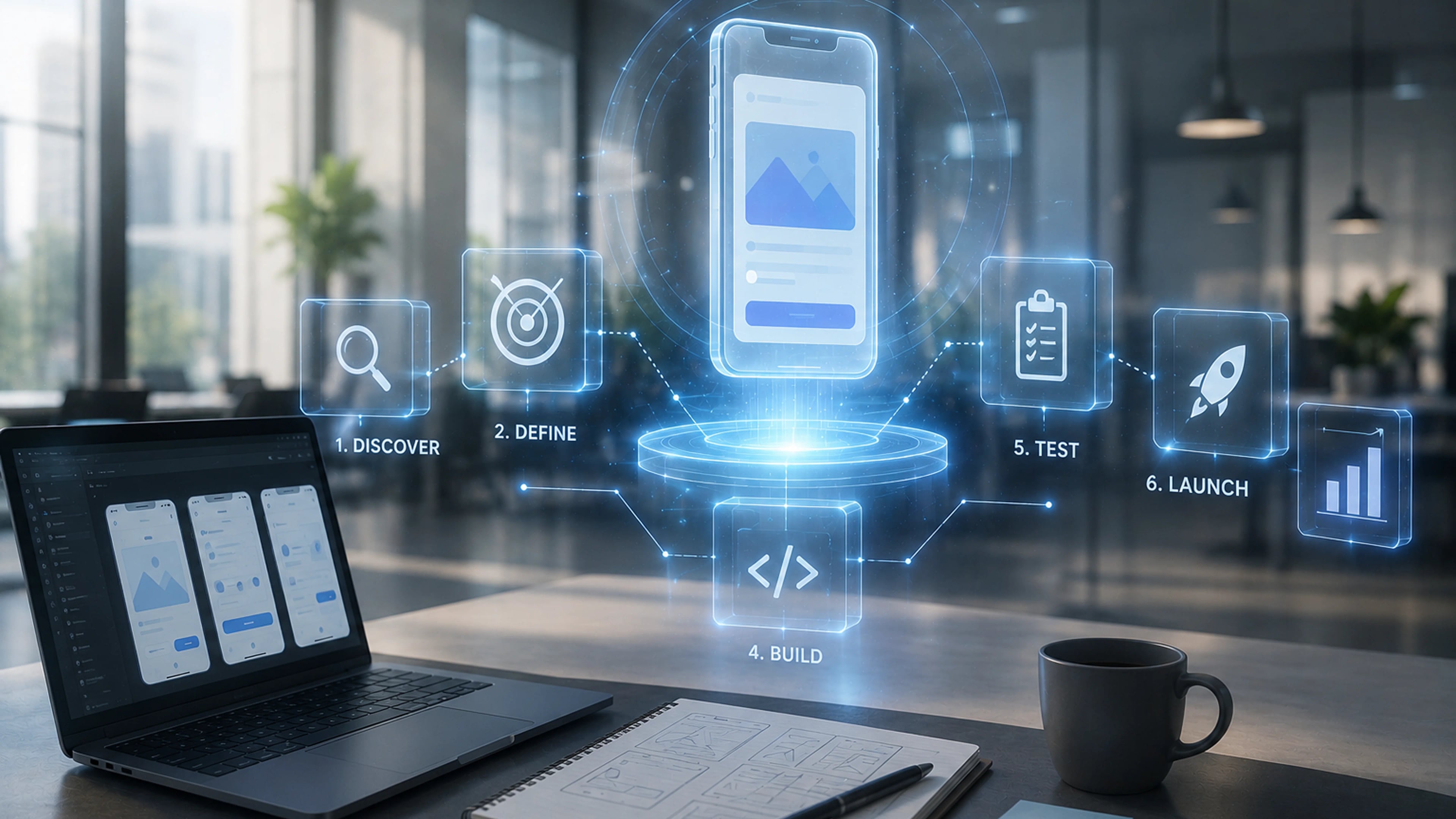
Step by Step Guide to Mobile App Development Process
The process begins with an idea. Identifying a problem to solve or a need to fulfill is key. This phase involves market...
Read More about Step by Step Guide to Mobile App Development ProcessGive critical applications a stronger foundation for growth. Innvonix delivers application re-engineering services that modernize legacy software, improve performance, strengthen security, and simplify maintenance while supporting evolving business needs.

Many business-critical applications rely on outdated frameworks, tightly coupled architecture, and unsupported components. While they continue to serve business needs, maintaining and extending them becomes increasingly difficult. Application re-engineering addresses these limitations across code, architecture, data, and interfaces, creating a stronger foundation for future growth.
Innvonix aligns modernization decisions with business priorities, technical requirements, and operational constraints. We help technology leaders establish a clear roadmap that reduces technical debt and delivers measurable business value.
Assess code, dependencies, data, and application behavior before making changes. Establish a fact-based understanding, even when documentation is limited.

Evaluate whether to retain, refactor, re-architect, rebuild, or replace each application based on business value, technical condition, and long-term costs.

Introduce changes incrementally, keeping critical functionality available while replacing outdated components and reducing transition risks.

Address architectural bottlenecks and modernize application structures to support growing workloads, changing demand, and modern deployment environments.

Replace vulnerable components, upgrade unsupported technologies, introduce automated testing, and improve documentation to simplify ongoing maintenance.

Plan testing, parallel operations, and rollback procedures to maintain operational stability throughout the modernization process.

Our application re-engineering, application modernization, and software re-engineering services help organizations assess, prioritize, and modernize legacy applications. From targeted improvements to architectural transformation, we manage the journey across assessment, strategy, engineering, testing, and deployment.



Evaluate application code, architecture, data, and dependencies to identify technical debt, security risks, and modernization opportunities. Our application modernization services establish a prioritized roadmap for your legacy application portfolio.


Restructure and refactor existing code, remove duplication, decouple components, and improve software design while preserving established business logic and functionality.


Transform monolithic applications into modular, service-based architectures. Modernize application structures and move toward platforms that support scalability, flexibility, and cloud readiness.


Upgrade outdated programming languages, frameworks, and databases. Our software modernization services help migrate applications to supported platforms with improved performance and maintainability.


Modernize application interfaces, expose existing functionality through APIs, and improve data exchange with surrounding systems to support connected business operations.


Implement automated tests, establish delivery pipelines, and document application functionality. Manage parallel operations and deployment cutovers with clear validation and rollback procedures.
Our framework aligns application assessments, modernization strategies, and engineering execution with business priorities and measurable outcomes.
Inventory applications and assess code quality, architecture, dependencies, data, security, and operating costs. Establish application health, business value, and modernization risks.
Select the right modernization approach for each application. Prioritize initiatives based on business value, technical risk, implementation effort, and dependencies to establish an actionable investment roadmap.
Define the target architecture, technology stack, data migration approach, and testing requirements. Establish a phased implementation plan with clear milestones and responsibilities.
Execute modernization in controlled stages, validate functionality, and run existing and modernized components in parallel where required. Complete deployment with tested rollback procedures.
Business Challenge
Every change is slow, costly, and introduces new risks.
With Application Re-engineering Services
Better-structured, decoupled code makes changes faster and more predictable.
Business Challenge
Applications depend on unsupported frameworks and components.
With Application Re-engineering Services
Supported technologies reduce security exposure and maintenance overhead.
Business Challenge
Limited documentation makes applications difficult to manage.
With Application Re-engineering Services
Code analysis, documentation, and automated testing restore visibility.
Business Challenge
Performance limitations restrict business growth.
With Application Re-engineering Services
Modern architecture addresses bottlenecks and supports scalability.
Business Challenge
Security vulnerabilities increase operational risk.
With Application Re-engineering Services
Updated components and secure design strengthen application protection.
Business Challenge
Full application replacement requires significant investment.
With Application Re-engineering Services
Incremental re-engineering delivers improvements with controlled investment.
Business Challenge
Maintenance consumes resources needed for innovation.
With Application Re-engineering Services
Maintainable, tested applications free engineering capacity for new initiatives.

We evaluate application value, operating costs, and business priorities before recommending modernization. Every initiative has a clear purpose and measurable business objectives.

We select platforms, frameworks, and architectures based on your requirements, existing capabilities, and long-term technology strategy. We also recognize when an application does not need modernization.

Our teams support the complete modernization lifecycle, from application assessment and planning to engineering, testing, deployment, and ongoing support.

We prioritize incremental modernization, comprehensive testing, and rollback planning to protect critical applications and maintain business continuity.

Our architects and engineers work closely with business stakeholders, technology leaders, and existing development teams to maintain alignment throughout delivery.

We deliver modern, documented, and maintainable applications that support future enhancements, reduce technical debt, and improve engineering efficiency.
Industry requirements vary across processes, regulations, and operations. Innvonix aligns application re-engineering with your technology environment and business goals.


Modernize clinical, billing, and administrative applications while protecting sensitive data, information integrity, and continuity of care.


Upgrade core banking, lending, and customer applications with stronger security, comprehensive testing, and regulatory alignment.


Modernize commerce, inventory, and supply chain applications to support omnichannel operations and changing customer demand.


Upgrade student information and learning management applications while maintaining data integrity and uninterrupted academic operations.


Modernize production, planning, and quality management applications while minimizing disruption to plant operations.


Improve tracking, dispatch, and billing applications to support reliable, connected, and around-the-clock operations.


Modernize reservation, property management, and guest applications while maintaining service continuity and customer experience.


Upgrade operational and data applications to improve analytics, visibility, and connected agricultural operations.


Modernize engineering and manufacturing applications with a focus on data integrity, system reliability, and operational continuity.


Improve project management, billing, and client applications to strengthen operational efficiency and service delivery.


Modernize property, leasing, and transaction applications to support connected services and streamlined digital workflows.


Re-engineer aging product codebases to support faster releases, multi-tenant scalability, and evolving product requirements.
Modernize clinical, billing, and administrative applications while protecting sensitive data, information integrity, and continuity of care.
Read More about Healthcare
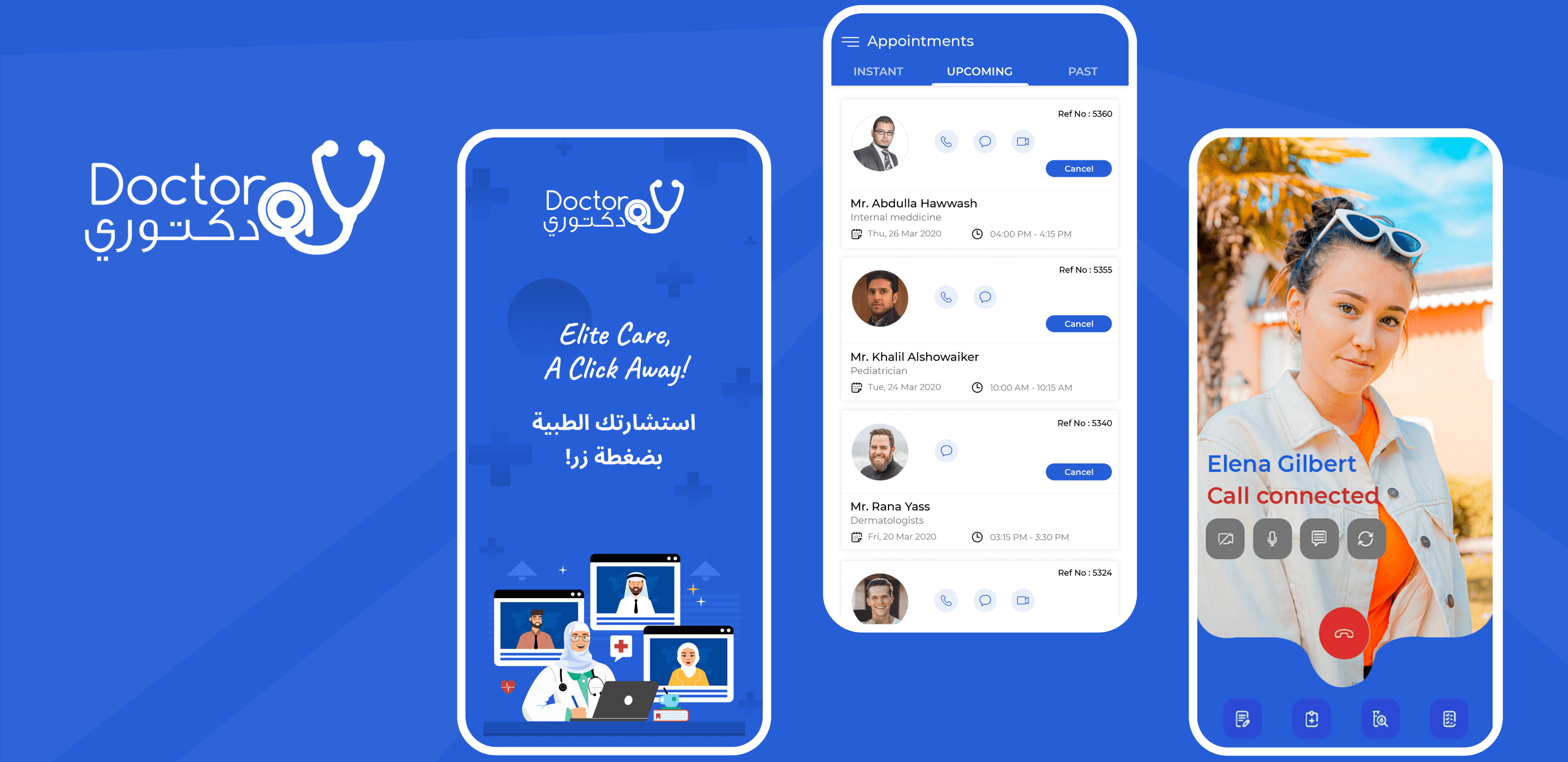
Doctoray is a digital healthcare platform designed to make medical consultations more accessible by connecting patients with doctors online. The platform enables users to discover doctors, check availability, schedule appointments, and consult healthcare professionals remotely through chat, audio, or video.
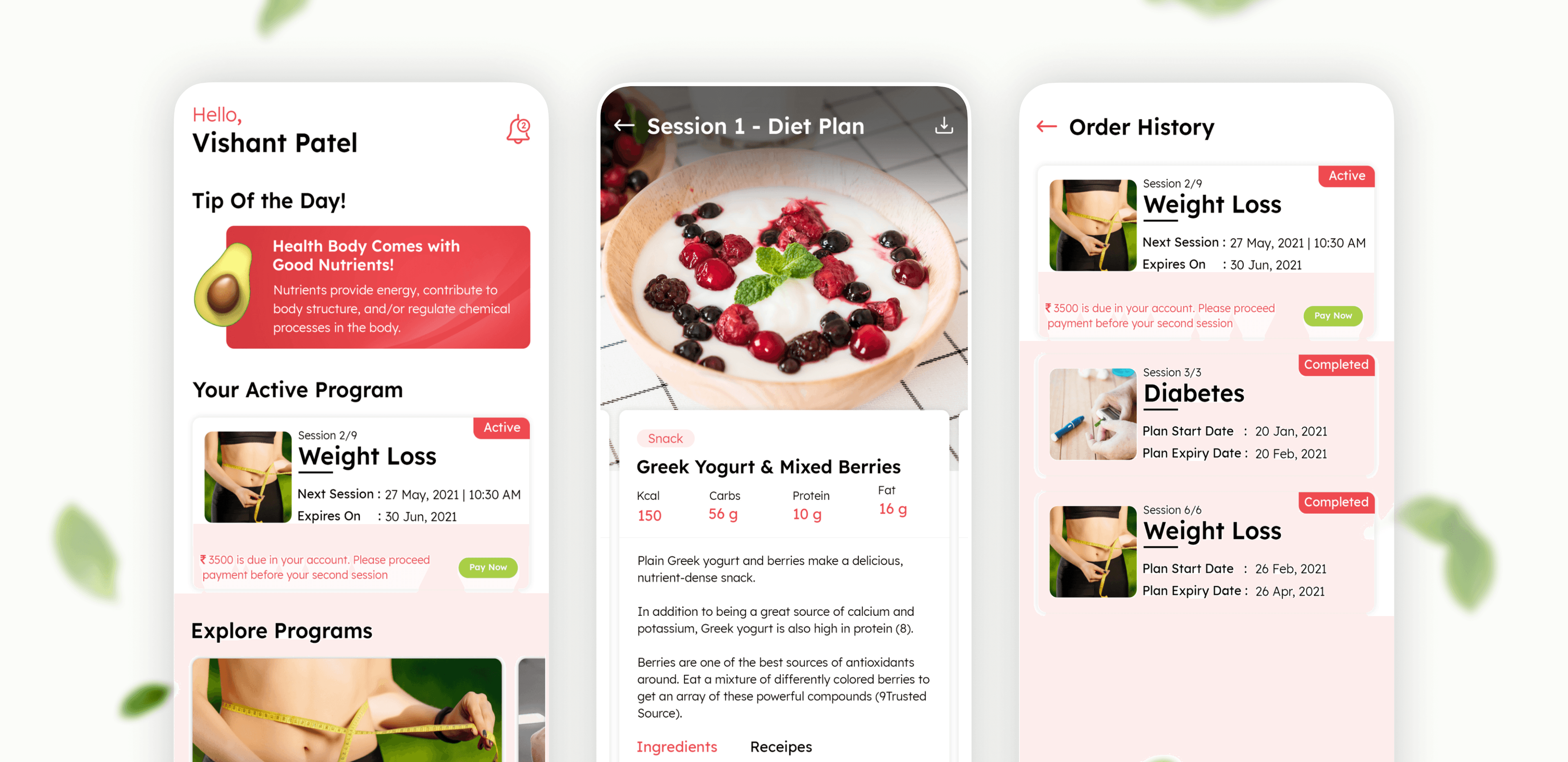
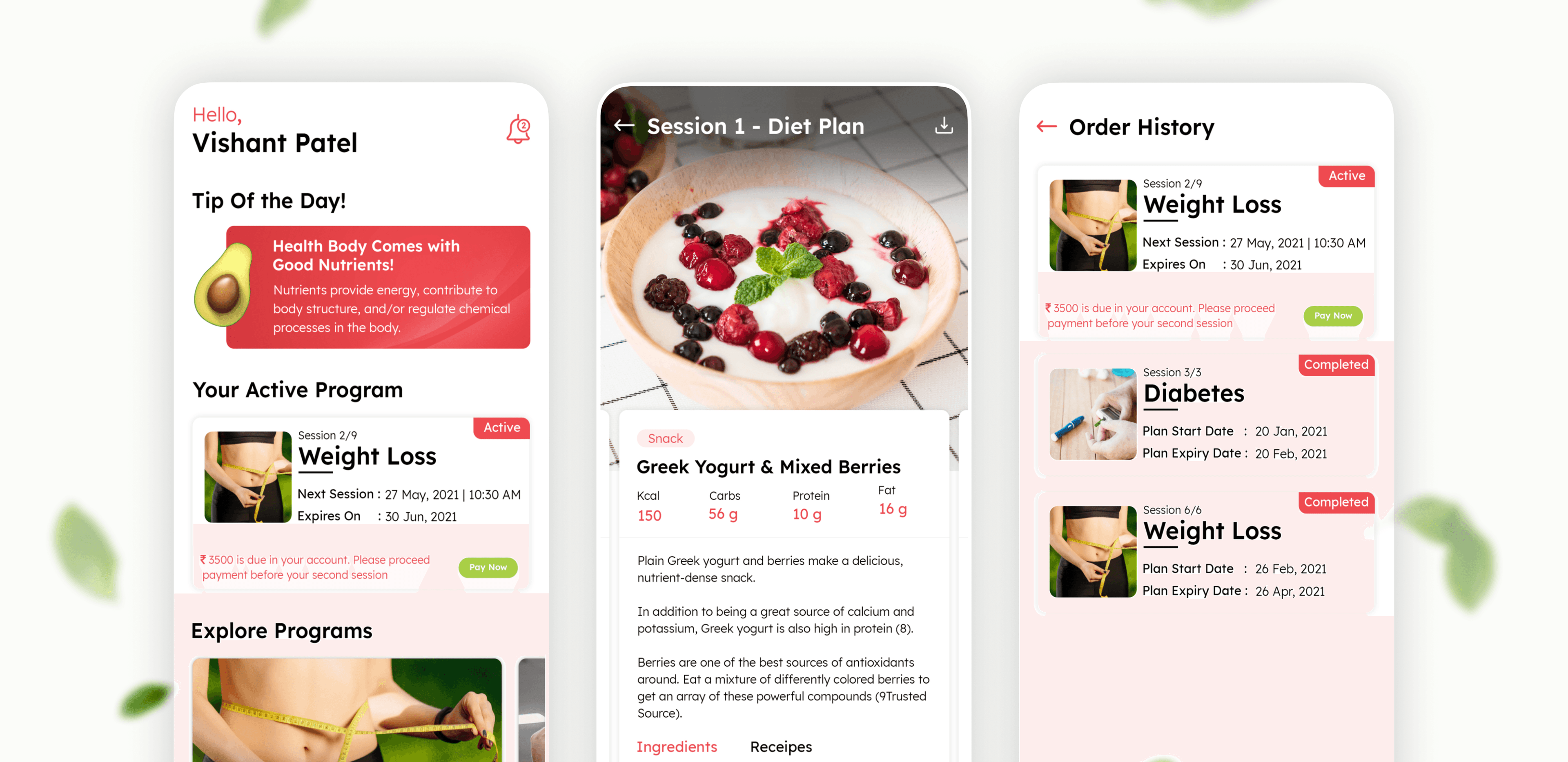
My Diet Studio is an online diet and wellness program provider offering personalized coaching to help individuals lose weight and improve their overall health in a convenient, accessible, and affordable way. Innvonix partnered with the client to build a platform combining personalized diet planning, body composition analysis, and continuous follow-up support delivered via WhatsApp, messaging, and calls.
We align application re-engineering with business priorities to improve application reliability, engineering efficiency, and long-term technology value.
Our experience across industries, clients, and technology environments gives organizations the delivery foundation to modernize critical applications with confidence.
Years of Experience
Projects Delivered
Global Clients
Countries Served
Our engineering teams bring the capabilities and delivery capacity required to support complex application re-engineering and modernization initiatives.
Team Members
Senior Developers
Technologies
Development Hours Delivered
Our application, integration, cloud, and AI capabilities help organizations modernize interconnected technology environments and support evolving business requirements.
Production Systems
APIs and Endpoints Engineered
Cloud Infrastructures Managed
AI and ML Models Built
Years of Experience
Projects Delivered
Global Clients
Countries Served
Modernize the applications limiting business growth. Prioritize high-impact improvements with an approach aligned to your budget and available resources.

Move beyond recurring fixes and outdated technology. Establish a prioritized modernization roadmap that reduces technical debt and improves operational efficiency.

Coordinate modernization across complex application portfolios with structured governance, phased execution, and enterprise-wide technology alignment.

Real-world insights from enterprise technology delivery and transformation programs, with practical perspectives across AI, cloud, and scalable digital systems.
The process begins with an idea. Identifying a problem to solve or a need to fulfill is key. This phase involves market...
Read More about Step by Step Guide to Mobile App Development Process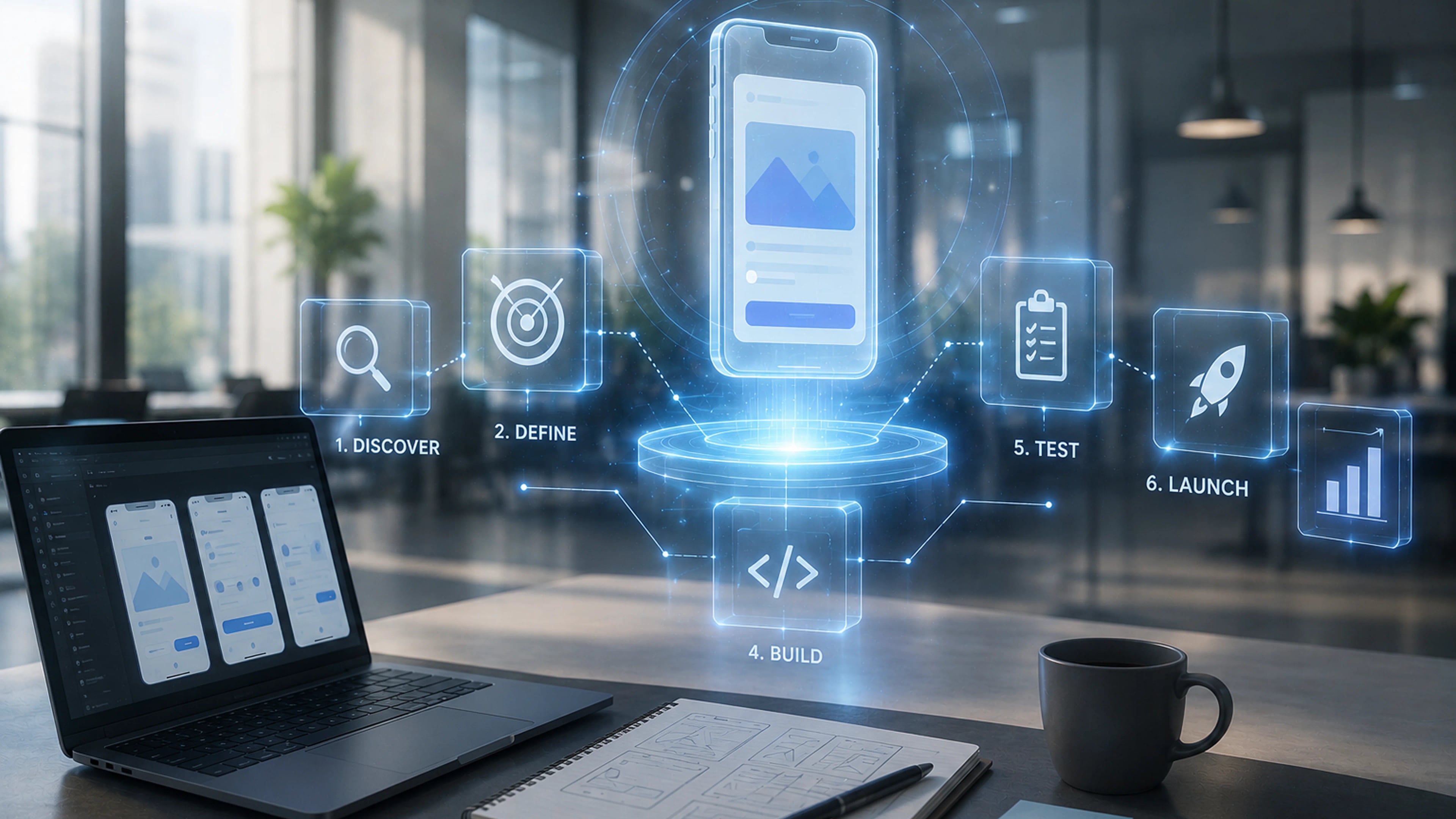
As an entrepreneur, does it make sense to invest heavily in a product only to find out there's no demand for it? No. Innovative..
Read More about The Ultimate Minimum Viable Product (MVP) Development Guide

There are constant changes happening every day in the software development industry as well as in the software development...
Read More about Top Software Development Trends to Watch in 2025

The significance of mobile platforms nowadays is well known. By the end of 2024, mobile applications are expected to bring in more than $935 billion. 2.87 million
Read More about Guide to Hire the Right Mobile App Development Company

Different mobile platforms and development approaches have their preferred programming languages...
Read More about Top Mobile App Development Trends to Watch Out for in 2025Connect application re-engineering with the broader modernization, architecture, and engineering capabilities needed to deliver lasting business value.


Assess legacy applications and infrastructure, then establish a phased modernization roadmap.


Connect legacy systems with modern applications, APIs, and cloud platforms securely.


Migrate applications, data, and infrastructure while improving performance, cost efficiency, and resilience.


Design scalable, secure, and maintainable applications that evolve with business needs.


Strengthen software quality through test automation, performance testing, API testing, and QA solutions.


Maintain application stability, security, and performance through proactive maintenance and structured support.
Assess legacy applications and infrastructure, then establish a phased modernization roadmap.
Learn More about IT Modernization ConsultingConnect with our experts to explore opportunities across AI, software, cloud, integration, and digital transformation.
Find answers to common questions about application re-engineering, modernization strategies, implementation approaches, and risk management.
Application re-engineering improves an existing application by restructuring its code, upgrading technologies, and modernizing its architecture while preserving established business logic and functionality. A rewrite involves building a new application from scratch. Re-engineering can reduce implementation effort and risk when existing business logic remains valuable, while a complete rewrite may be more appropriate when the current application cannot support future requirements.
IT Modernization Consulting focuses on assessing an organization's broader application and infrastructure landscape and developing a modernization roadmap. Application re-engineering focuses on the engineering work required to modernize specific applications, including code restructuring, technology upgrades, architectural improvements, and data migration. Organizations can use both services as part of a broader modernization strategy.
We assess each application's business value, technical condition, maintenance costs, security exposure, and alignment with future requirements. Applications with healthy foundations may need targeted refactoring. Those with structural limitations may benefit from re-architecture. Applications with limited business value or suitable commercial alternatives may be better candidates for replacement or retirement.
Limited documentation does not prevent modernization. We begin with code, architecture, and data analysis, examine application behavior, and collaborate with the people who use and support the system. We document key findings and introduce automated tests to establish a reliable understanding of existing functionality before making changes.
Applications with high maintenance costs, outdated technology, performance limitations, security vulnerabilities, or limited scalability are potential candidates for re-engineering. We assess business value, technical complexity, and future requirements to determine the most suitable modernization approach.
Yes. We use phased implementation, incremental changes, parallel testing, and controlled deployment to minimize disruption. The approach depends on application complexity, system dependencies, and operational requirements, helping maintain business continuity throughout modernization.
Yes. We assess legacy applications built on outdated languages, frameworks, and databases to determine upgrade, refactoring, replatforming, or re-architecture options. Our approach focuses on preserving valuable business logic while improving compatibility, security, maintainability, and scalability.