



Blog

Best Software Consulting Companies in the USA
The modern corporate world is plagued by the age-old problem of how to maintain a creative edge, enhance processes, and provide..
Read More about Best Software Consulting Companies in the USAConnect business-critical legacy applications, databases, and platforms with modern applications, APIs, and cloud environments. Innvonix delivers legacy systems integration services that improve data accessibility, streamline business processes, and extend the value of existing technology investments without forcing unnecessary system replacements.

Legacy systems often hold the data and business logic organizations depend on most, yet they were never designed to work with modern applications, cloud platforms, or AI-driven solutions. Innvonix aligns integration architecture, security, and modernization planning with business priorities, helping technology leaders connect existing systems while maintaining operational continuity.
We turn legacy constraints into opportunities for modernization, giving organizations a practical path to improve connectivity, reduce operational risks, and unlock measurable business value.
Connect existing systems with modern capabilities, extending their value without the cost and disruption of unnecessary replacements.

Design integrations that preserve the stability and performance of critical applications while minimizing changes to existing infrastructure.

Expose legacy functions and data through modern APIs and service layers, allowing new applications to access existing business capabilities.

Make legacy data accessible to applications, analytics platforms, and enterprise systems while reducing manual transfers and data silos.

Implement authentication, encryption, access controls, and monitoring to protect data exchanged between legacy and modern environments.

Build flexible integration architectures that support gradual system upgrades, component replacement, and long-term modernization.

Our legacy systems integration services help organizations connect established technology environments with modern digital platforms. From integration assessment and architecture design to implementation and ongoing support, we build reliable connections that improve data flow, operational efficiency, and business continuity.


Evaluate legacy applications, databases, interfaces, dependencies, and operational risks. Define integration priorities and a roadmap aligned with business objectives, technical constraints, and modernization plans.


Build reliable connections between legacy and modern systems using middleware, messaging, integration platforms, and direct connectivity patterns selected according to system capabilities and business requirements.


Expose legacy application capabilities through modern APIs and service layers, enabling web, mobile, and enterprise applications to access existing business functions.


Connect legacy data sources with modern applications, databases, and analytics platforms using batch processing, change data capture, and event-driven pipelines where appropriate.


Connect on-premises legacy infrastructure with cloud platforms and SaaS applications through secure and scalable integration architectures.


Monitor, maintain, and optimize integrations while documenting dependencies and enabling gradual replacement or modernization of legacy components.
Our framework helps technology leaders assess systems, prioritize integration, and implement solutions with minimal disruption while balancing business value, security, and long-term needs.
Assess existing applications, databases, interfaces, dependencies, and risks to identify suitable integration approaches.
Prioritize integration opportunities based on business value, technical complexity, system criticality, and implementation risks.
Define integration patterns, APIs, data mappings, security controls, and monitoring requirements for a reliable architecture.
Develop and test integrations for performance, security, and reliability. Deploy with monitoring, documentation, and operational support.
Business Challenge
Legacy data is trapped and moved through manual exports.
With Legacy Systems Integration
Automated pipelines deliver data to connected applications and platforms.
Business Challenge
New applications cannot access existing business functions.
With Legacy Systems Integration
API enablement makes legacy capabilities accessible through modern interfaces.
Business Challenge
Replacing critical systems feels too risky or costly.
With Legacy Systems Integration
Integration extends existing investments while enabling phased modernization.
Business Challenge
Systems depend on fragile, undocumented scripts.
With Legacy Systems Integration
Structured, monitored integrations improve reliability and maintainability.
Business Challenge
Older systems lack modern security controls.
With Legacy Systems Integration
Additional security layers strengthen authentication, encryption, and monitoring.
Business Challenge
Knowledge of legacy systems is limited to a few individuals.
With Legacy Systems Integration
Documented interfaces and integration processes reduce knowledge dependencies.
Business Challenge
Cloud and on-premises systems operate independently.
With Legacy Systems Integration
Secure hybrid connectivity enables information exchange across environments.

We begin with your business objectives, operational requirements, and technology constraints to ensure every integration initiative delivers meaningful value.

We select integration approaches and technologies based on existing system capabilities, infrastructure requirements, scalability, and long-term business priorities.

From assessment and architecture design to development, testing, deployment, and ongoing support, we manage the complete integration lifecycle.

We account for system dependencies, performance limitations, and operational risks to protect business-critical applications throughout implementation.

Our architects collaborate with business stakeholders, IT teams, and existing system specialists to develop integration solutions grounded in practical requirements.

We build maintainable integrations and document system dependencies to support future upgrades, application replacement, and evolving technology requirements.


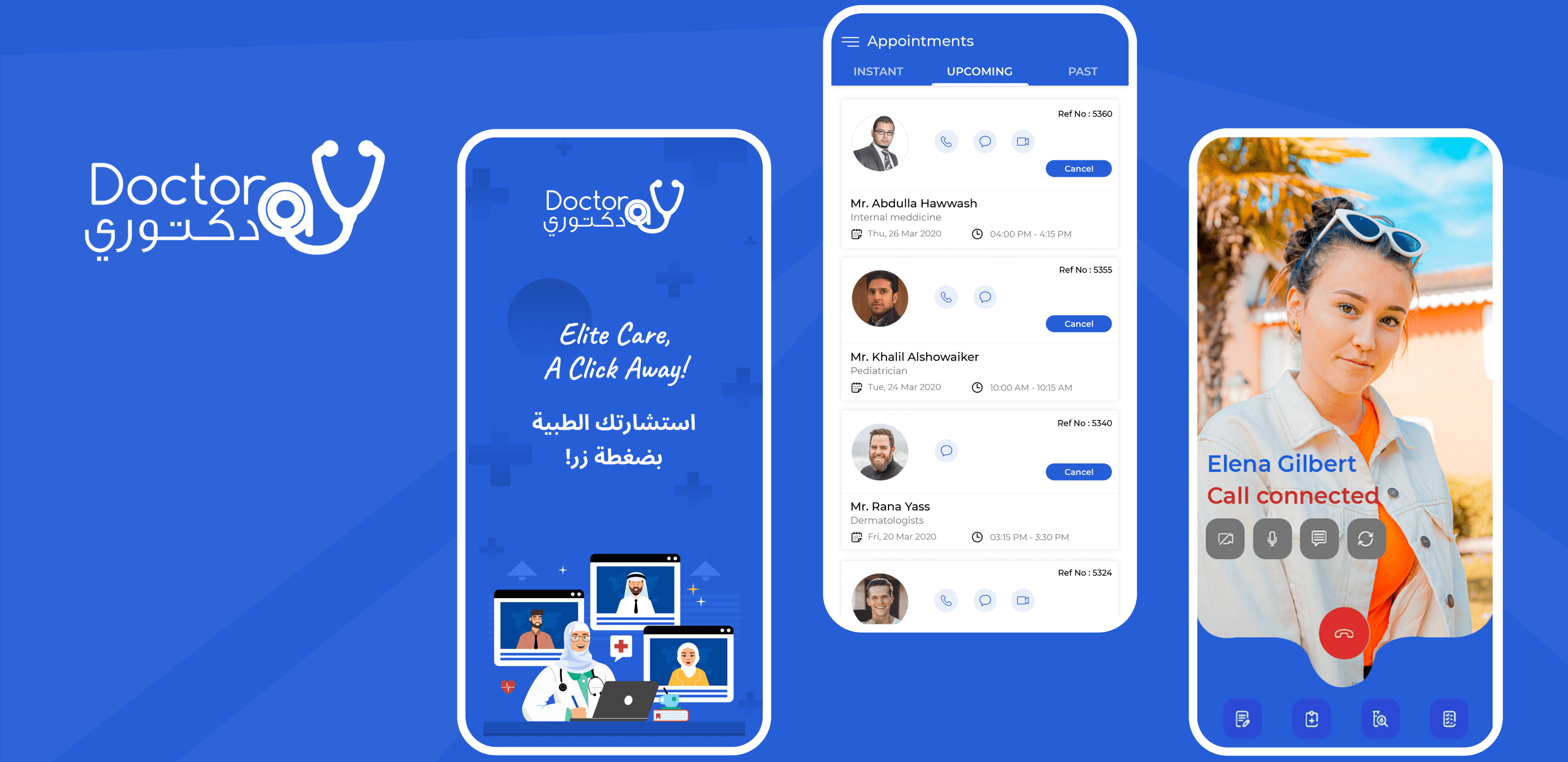
Doctoray is a digital healthcare platform designed to make medical consultations more accessible by connecting patients with doctors online. The platform enables users to discover doctors, check availability, schedule appointments, and consult healthcare professionals remotely through chat, audio, or video.
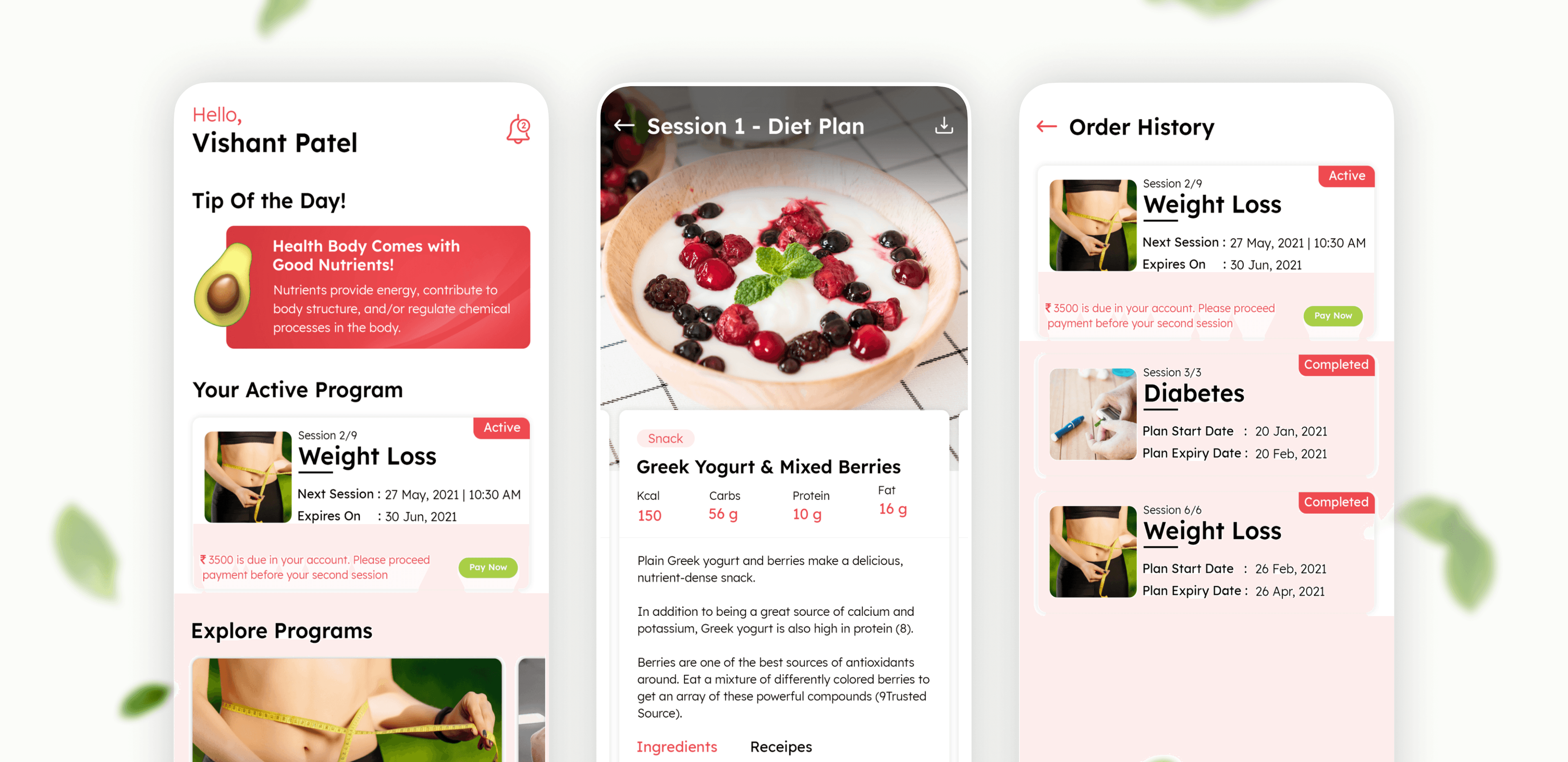
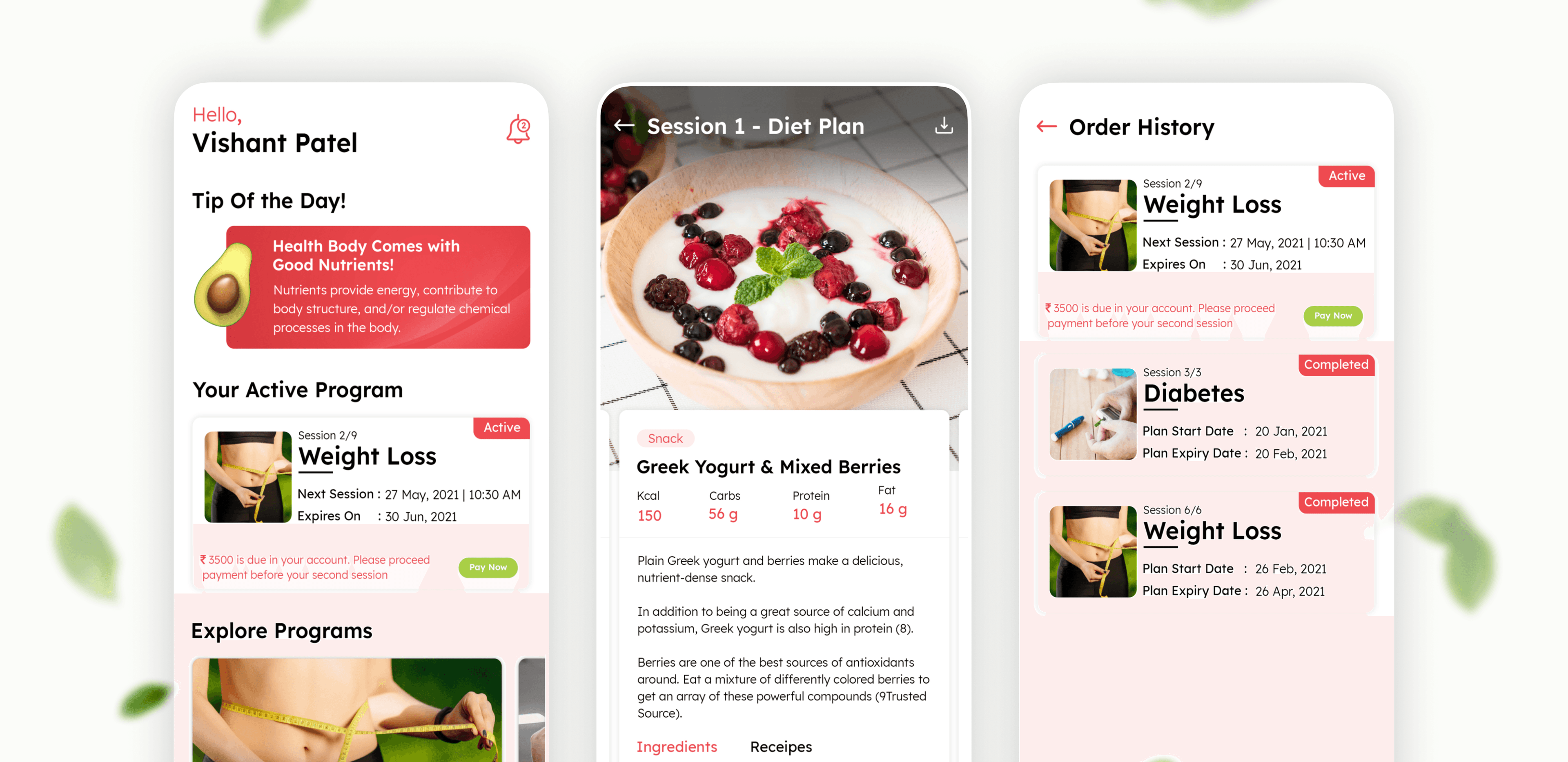
My Diet Studio is an online diet and wellness program provider offering personalized coaching to help individuals lose weight and improve their overall health in a convenient, accessible, and affordable way. Innvonix partnered with the client to build a platform combining personalized diet planning, body composition analysis, and continuous follow-up support delivered via WhatsApp, messaging, and calls.
Innvonix aligns legacy system integration with industry requirements, technology environments, and business priorities.


Connect established clinical, billing, and administrative systems with modern healthcare applications while supporting secure patient-data exchange and interoperability.


Integrate core banking, policy administration, and back-office systems with digital channels, analytics platforms, and modern enterprise applications.


Connect legacy inventory, point-of-sale, and supplier systems with e-commerce platforms and omnichannel applications to improve operational visibility.


Integrate student information and administrative systems with modern learning management and student engagement platforms.


Connect legacy ERP, production, and plant systems with modern enterprise applications and analytics platforms to improve operational visibility.


Integrate transportation, warehouse, and billing systems with real-time tracking, supply chain, and partner platforms.


Connect property management and reservation systems with modern booking, payment, and guest engagement platforms.


Integrate established equipment, farm management, and operational systems with modern data platforms to improve information accessibility.


Connect manufacturing and engineering systems with modern data, analytics, and enterprise collaboration platforms.


Integrate legacy finance, project management, and records systems with modern client management and reporting applications.


Connect established property management and accounting systems with modern listing, tenant management, and transaction platforms.


Integrate legacy billing, back-office, and operational systems with modern software products and customer platforms.
Connect established clinical, billing, and administrative systems with modern healthcare applications while supporting secure patient-data exchange and interoperability.
Read More about HealthcareWe combine proven delivery experience, engineering expertise, and integration capabilities to help organizations connect critical systems, improve operational efficiency, and support long-term technology modernization.
Our experience across industries and technology environments enables us to deliver integration solutions that address complex business and operational requirements.
Years in Business
Projects Delivered
Global Clients
Countries Served
Our multidisciplinary engineering teams bring the technical expertise and delivery capacity to build and maintain integrations across complex technology environments.
Technologies Mastered
Development Hours Delivered
Industries Served
Engineering Hours Delivered
Our integration capabilities span enterprise applications, API engineering, cloud infrastructure, and diverse technology stacks, helping organizations establish reliable connections across their technology environments.
Production Systems Shipped
APIs and Endpoints Engineered
Cloud Infrastructures Managed
Dedicated Senior Developers
Years in Business
Projects Delivered
Global Clients
Countries Served
Connect established business systems with modern applications and tools to reduce manual work, improve data accessibility, and support business growth.

Move beyond fragmented integrations and manual data transfers with structured, documented, and monitored integration architectures.

Coordinate integration across complex legacy environments, business units, and geographical regions with the governance, scalability, and risk controls enterprise operations require.

Real-world insights from enterprise technology delivery and transformation programs, with practical perspectives across AI, cloud, and scalable digital systems.
The modern corporate world is plagued by the age-old problem of how to maintain a creative edge, enhance processes, and provide..
Read More about Best Software Consulting Companies in the USA

There are constant changes happening every day in the software development industry as well as in the software development...
Read More about Top Software Development Trends to Watch in 2025

Business growth is exciting, but no one said it was all sunshine and rainbows. All of a sudden your to-do list is endless, you need certain skill sets
Read More about What is Staff Augmentation? How Staff Augmentation Benefits Business Growth?
Building a mobile application entails sophisticated planning, and one of the most pivotal decisions is deciding..
Read More about In-House vs. Outsourcing Mobile App Development: Which is Right for Your Business?
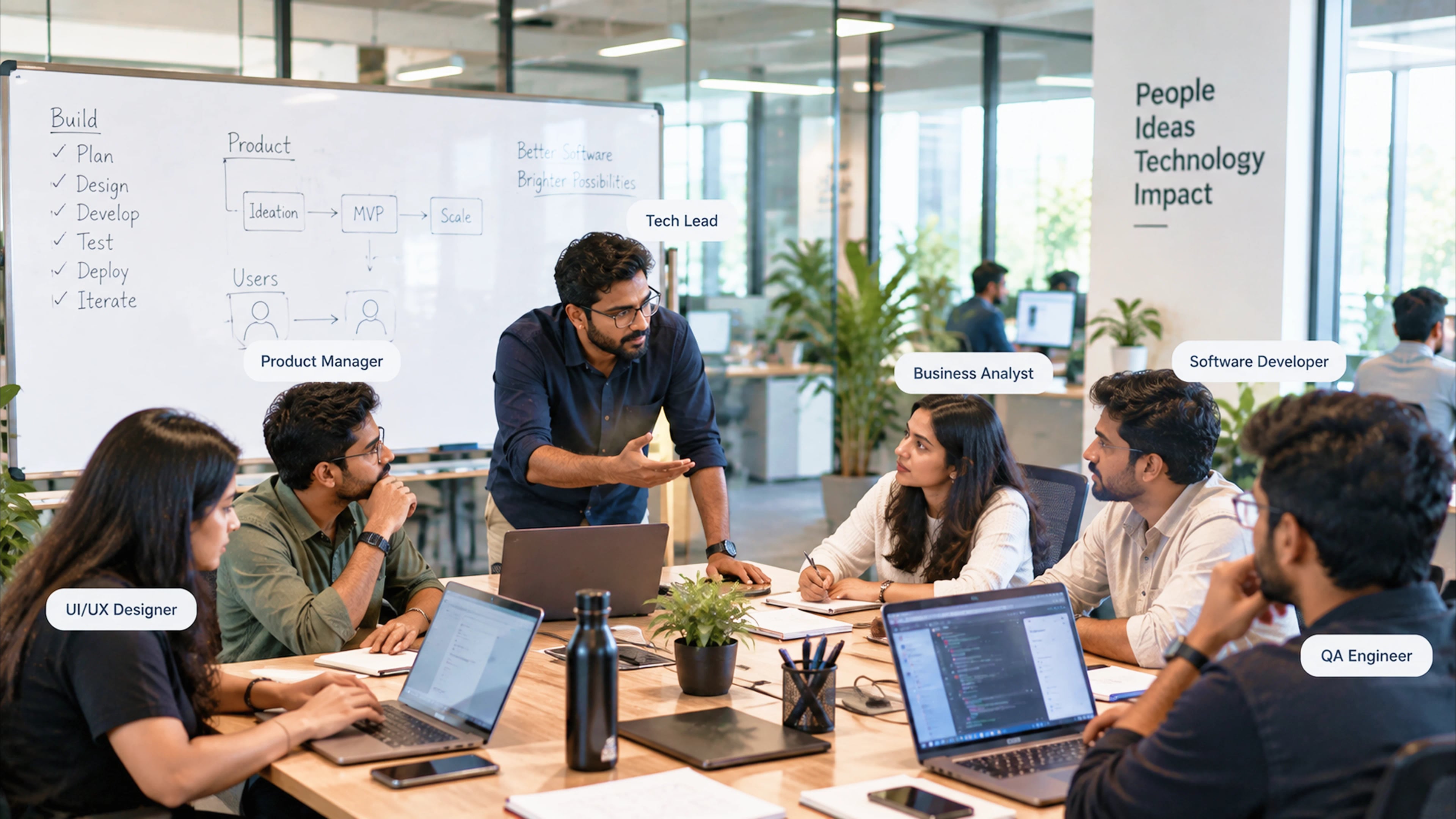
Software company roles vary from one company to another because of rapid expansion and flexibility. In this article, we...
Read More about Fundamental Roles in Software CompanyBuild a more connected technology environment by bringing legacy systems, modern applications, and enterprise data together.


Connect core enterprise systems and platforms through enterprise-grade middleware and integration architecture.


Assess legacy applications and infrastructure, and develop a phased roadmap to modernize your technology environment.


Design, develop, and connect custom APIs, enterprise applications, and third-party platforms.


Unify data across enterprise systems through scalable pipelines, integration architecture, and data governance.


Connect cloud platforms, SaaS applications, and on-premises systems across hybrid and multi-cloud environments.


Connect ERP and CRM platforms to synchronize business data, streamline workflows, and improve operational visibility.
Connect core enterprise systems and platforms through enterprise-grade middleware and integration architecture.
Learn More about Enterprise Application IntegrationFind answers to common questions about legacy systems integration, security, compatibility, implementation costs, and modernization strategies.
Yes. Legacy systems can often connect with modern applications through APIs, middleware, integration platforms, and custom connectors. This allows organizations to extend existing technology investments, improve connectivity, and introduce new capabilities without replacing business-critical systems.
Systems without APIs can be integrated through database connectivity, file-based data exchange, message queues, change data capture, or custom integration layers. The appropriate approach depends on the system architecture, available access methods, vendor restrictions, and security requirements.
Yes. Legacy ERP and CRM platforms can connect with cloud applications through APIs, middleware, integration platforms, and custom connectors. A well-designed architecture also establishes data ownership, synchronization rules, and error-handling processes to maintain consistency across systems.
Data synchronization can use batch processing, scheduled transfers, APIs, event-driven messaging, and change data capture. The right approach depends on data volume, update frequency, system capabilities, and business requirements for data availability.
It can if integration workloads are not properly managed. We assess system capacity, control integration traffic, optimize data transfers, and use caching or replicated data where appropriate. Performance testing and monitoring help maintain the stability of business-critical applications.
We implement security measures such as authentication, authorization, encryption in transit, restricted network access, and activity monitoring. Where older systems cannot support modern security controls directly, controlled integration layers and network isolation help reduce exposure and protect data exchange.
The cost depends on the number of systems, integration complexity, data volume, available interfaces, security requirements, and implementation scope. Systems with documented APIs may require less custom engineering than those with proprietary interfaces or limited documentation. An initial assessment helps establish the scope, delivery priorities, and estimated investment.
The decision depends on business value, maintenance costs, technical limitations, security risks, and future requirements. Integration is suitable when existing systems remain valuable but need better connectivity. Modernization or replacement may be necessary when the underlying architecture limits performance, scalability, or business growth. A structured assessment helps identify the most practical approach.
Connect with our experts to explore opportunities across AI, software, cloud, integration, and digital transformation.