



Blog

Best Software Consulting Companies in the USA
The modern corporate world is plagued by the age-old problem of how to maintain a creative edge, enhance processes, and provide..
Read More about Best Software Consulting Companies in the USAInnvonix provides SLA-based managed support with defined response and resolution targets, structured escalation, and transparent reporting. We help businesses maintain reliable applications, cloud environments, and infrastructure through proactive monitoring and accountable service delivery.

Reliable IT support requires more than responding to incidents. It requires clear commitments, defined responsibilities, and consistent service oversight. Innvonix aligns support scope, service priorities, operational processes, and performance metrics with business requirements, helping technology leaders improve service reliability and maintain operational control.
We bring structure and accountability to IT support, helping organizations protect business-critical systems, reduce operational disruption, and maintain service quality.
Establish what is covered, how incidents are prioritized, and the response and resolution targets for each service level.

Monitor systems and infrastructure to identify potential issues early and minimize service disruptions.

Manage incidents, problems, service requests, and changes through standardized processes aligned with IT service management practices.

Define escalation paths, ownership, and communication timelines to ensure timely decisions and keep stakeholders informed.

Measure service performance against agreed targets and provide regular reports that make operational performance visible.

Analyze recurring incidents, identify root causes, and implement improvements to strengthen service reliability over time.

Our SLA-based managed support services cover applications, cloud environments, infrastructure, and delivery pipelines under clearly defined service commitments. We support both existing and newly developed technology environments, helping organizations establish, manage, and continuously improve their service level agreements.



Provide structured first, second, and third-line support with agreed coverage hours, incident priorities, and response and resolution targets.


Manage applications, cloud environments, infrastructure, and delivery pipelines through a coordinated service model aligned with your operational requirements.


Define, document, monitor, and review service level agreements and key performance indicators. We also help organizations track supplier SLAs and identify gaps across service providers.


Monitor systems, identify service disruptions, triage incidents, and coordinate resolution and escalation based on business priority.


Investigate recurring incidents, identify root causes, manage controlled changes, and coordinate releases to minimize operational disruption.


Deliver performance reports, conduct service reviews, and establish improvement plans to maintain visibility into service quality, operational risks, and SLA compliance.
Our framework provides a structured approach to assessing support requirements, defining service commitments, managing transitions, and improving ongoing operations. It aligns service delivery with business priorities, operational requirements, and measurable performance outcomes.
Evaluate your systems, users, existing support arrangements, incident history, and business impact of downtime to establish the service scope and operational requirements.
Classify systems according to business criticality and define incident priorities, coverage hours, and response and resolution targets based on operational needs.
Establish service level agreements, support processes, monitoring requirements, escalation paths, communication protocols, and performance reporting mechanisms.
Transition support responsibilities through a structured onboarding process, manage daily operations against agreed targets, review performance, and implement continuous improvements.
Business Challenge
Uncertainty around issue response times
With SLA-Based Managed Support
Defined response and resolution targets establish clear service expectations.
Business Challenge
Critical and routine issues receive similar attention
With SLA-Based Managed Support
Priority-based incident management directs resources toward business-critical issues.
Business Challenge
Issues are identified only after users report them
With SLA-Based Managed Support
Proactive monitoring helps detect potential disruptions earlier.
Business Challenge
Unclear ownership during service disruptions
With SLA-Based Managed Support
Defined responsibilities and escalation paths establish accountability.
Business Challenge
Recurring incidents affect operational efficiency
With SLA-Based Managed Support
Problem management identifies root causes and supports lasting corrective actions.
Business Challenge
Service performance lacks measurable evidence
With SLA-Based Managed Support
Regular reporting and reviews track performance against agreed targets.
Business Challenge
Multiple suppliers create service management gaps
With SLA-Based Managed Support
SLA management aligns supplier commitments and improves service visibility.

We define service levels around business priorities, system criticality, and operational impact rather than applying generic support models.

We work across technology stacks, cloud platforms, and vendor environments, selecting support and monitoring approaches suited to your infrastructure.

We support the complete service lifecycle, from assessment and SLA design to transition, daily operations, and continuous improvement.

We account for security, compliance, operational dependencies, and change management risks when designing and delivering support services.

Our teams collaborate with business and IT stakeholders to establish priorities, define responsibilities, and maintain transparent communication.

We regularly review service performance and evolving business requirements to keep support models aligned with changing operational needs.
Innvonix delivers industry-focused managed support designed around your operational needs, technology landscape, and compliance standards.


Support clinical and administrative applications with service priorities aligned with patient impact, data privacy, and compliance requirements.


Maintain financial systems through defined response targets, controlled changes, and transparent service reporting.


Support commerce and store operations with service coverage aligned with trading hours and seasonal demand.


Maintain learning platforms and administrative systems with support aligned with academic schedules and institutional requirements.


Support production, supply chain, and plant systems where technology disruptions can affect output and operational continuity.


Maintain tracking, dispatch, and planning systems with support coverage aligned with operational schedules.


Support booking, reservation, and guest-facing systems with service coverage aligned with business hours and peak periods.


Maintain agricultural data platforms and field applications across distributed users and varying connectivity conditions.


Support engineering and manufacturing systems with defined reliability requirements and structured incident escalation.


Maintain client-facing and internal applications with support priorities aligned with service delivery and business continuity.


Support property listing, transaction, and tenant management systems that enable daily business operations.


Maintain customer-facing platforms and internal systems with service commitments aligned with your own customer SLAs.
Support clinical and administrative applications with service priorities aligned with patient impact, data privacy, and compliance requirements.
Read More about Healthcare
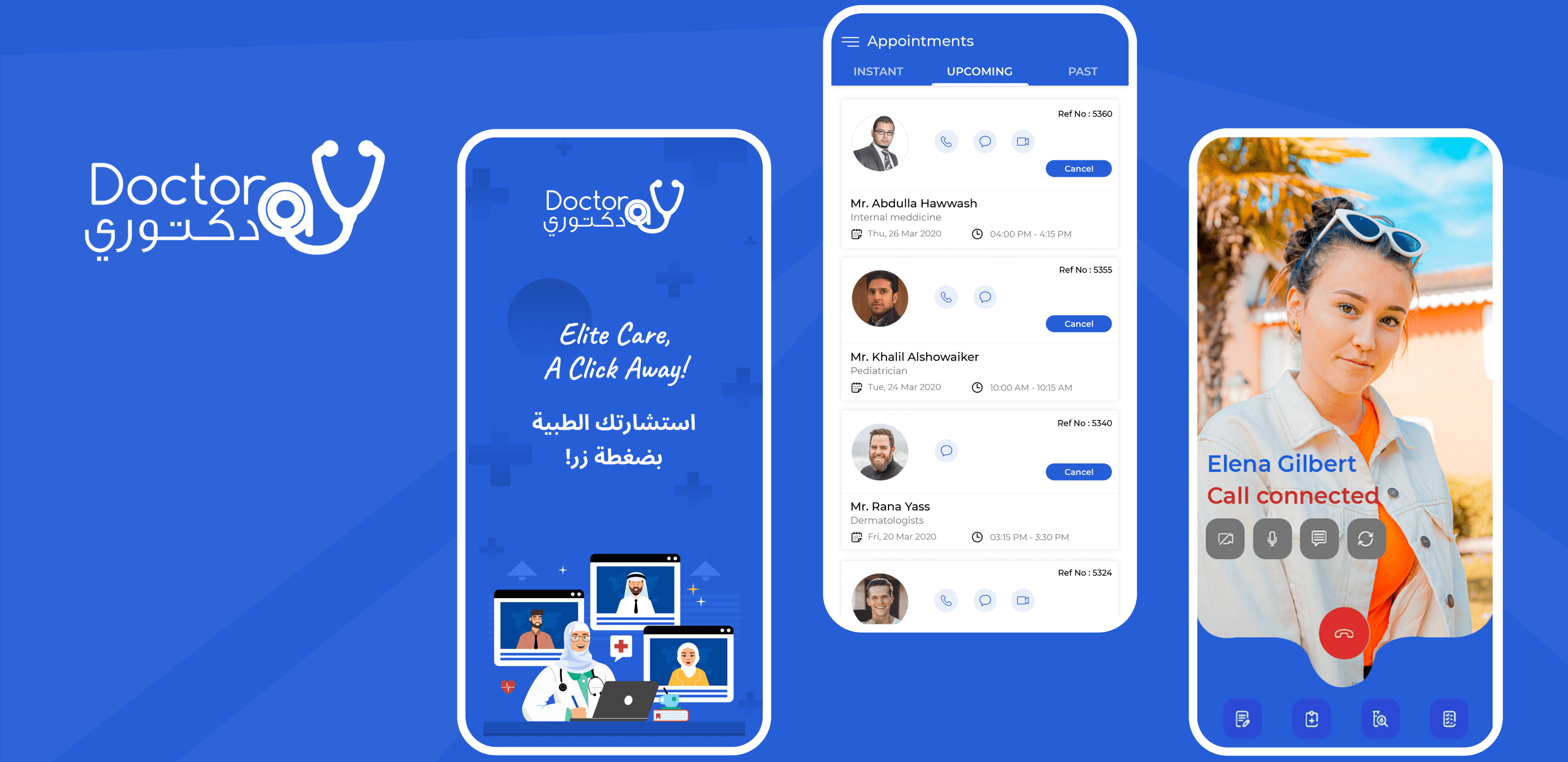
Doctoray is a digital healthcare platform designed to make medical consultations more accessible by connecting patients with doctors online. The platform enables users to discover doctors, check availability, schedule appointments, and consult healthcare professionals remotely through chat, audio, or video.
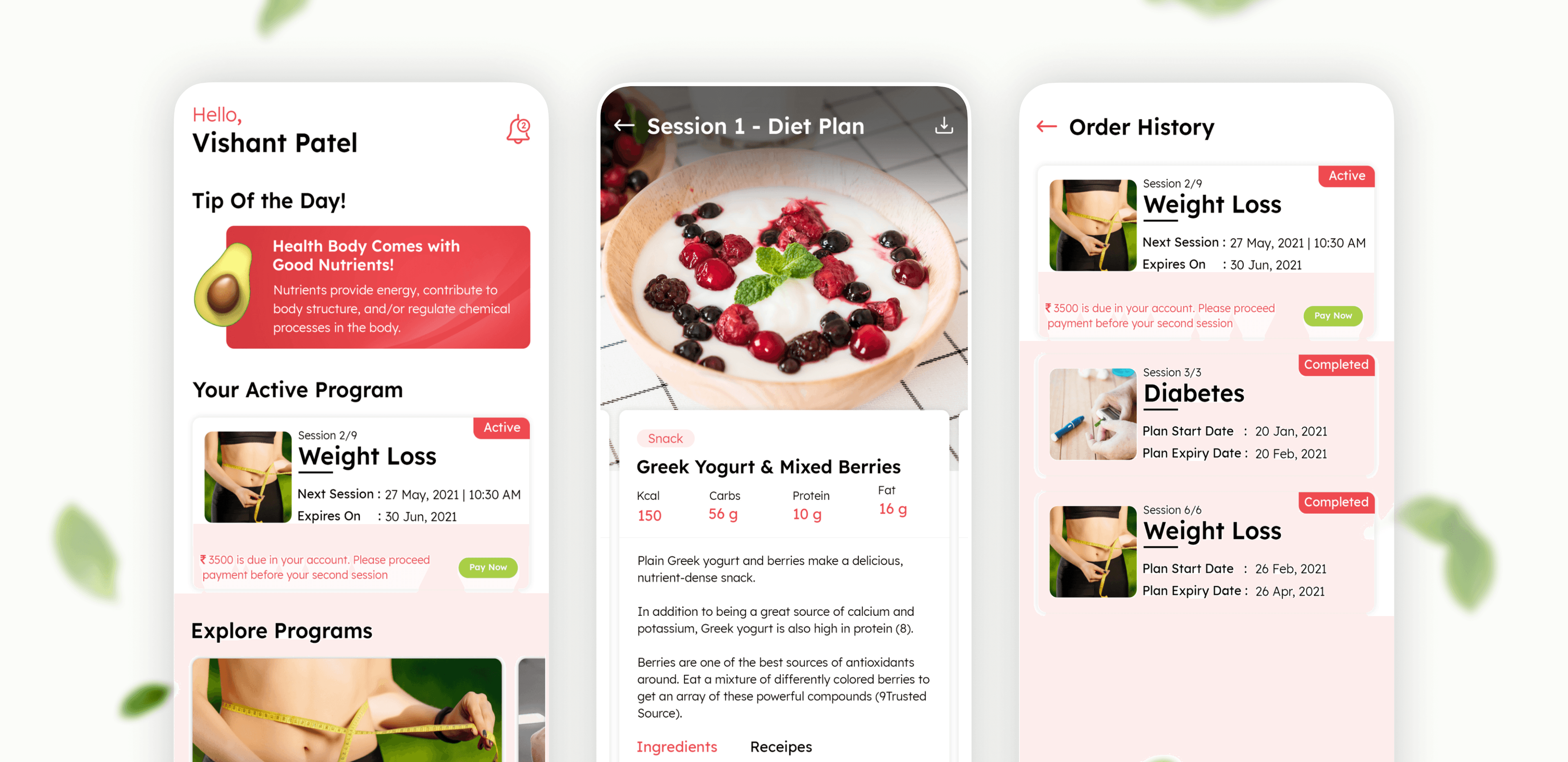
My Diet Studio is an online diet and wellness program provider offering personalized coaching to help individuals lose weight and improve their overall health in a convenient, accessible, and affordable way. Innvonix partnered with the client to build a platform combining personalized diet planning, body composition analysis, and continuous follow-up support delivered via WhatsApp, messaging, and calls.
We combine engineering capabilities, operational experience, and structured service management to help organizations improve system reliability and maintain accountable IT operations.
Our experience across industries and technology environments helps organizations manage complex support requirements with confidence.
Years of Experience
Projects Delivered
Global Clients
Countries Served
Our engineering teams bring the technical capabilities and delivery capacity required to support complex business-critical environments.
Team Members
Technologies
Development Hours Delivered
Production Systems
Our experience across infrastructure, cloud platforms, and system environments supports dependable managed service delivery.
Cloud Infrastructures Managed
AI & ML Models Built
System Integrations Delivered
Client Retention Rate
Years of Experience
Projects Delivered
Global Clients
Countries Served
Establish dependable support for essential business systems without the overhead of building and managing a full in-house support function.

Move beyond reactive IT support with defined service commitments, structured coverage, and measurable performance reporting.

Coordinate support across complex technology environments, multiple suppliers, and business units through consistent service governance and accountability.

Real-world insights from enterprise technology delivery and transformation programs, with practical perspectives across AI, cloud, and scalable digital systems.
The modern corporate world is plagued by the age-old problem of how to maintain a creative edge, enhance processes, and provide..
Read More about Best Software Consulting Companies in the USA

There are constant changes happening every day in the software development industry as well as in the software development...
Read More about Top Software Development Trends to Watch in 2025

Business growth is exciting, but no one said it was all sunshine and rainbows. All of a sudden your to-do list is endless, you need certain skill sets
Read More about What is Staff Augmentation? How Staff Augmentation Benefits Business Growth?

Building a mobile application entails sophisticated planning, and one of the most pivotal decisions is deciding..
Read More about In-House vs. Outsourcing Mobile App Development: Which is Right for Your Business?

Software company roles vary from one company to another because of rapid expansion and flexibility. In this article, we...
Read More about Fundamental Roles in Software CompanyConnect SLA-based managed support with the broader services required to maintain reliable, secure, and high-performing technology environments.


Monitor, manage, and optimize cloud infrastructure across AWS, Microsoft Azure, and Google Cloud.


Manage CI/CD pipelines, infrastructure, and monitoring to maintain reliable software delivery operations.


Manage, maintain, and optimize business-critical applications to support performance and operational continuity.


Maintain application stability, security, and functionality through structured maintenance and technical support.


Improve system reliability, availability, and performance through engineering-led operational practices.


Monitor infrastructure, applications, and data environments to identify and respond to potential cybersecurity threats.
Monitor, manage, and optimize cloud infrastructure across AWS, Microsoft Azure, and Google Cloud.
Learn More about Managed Cloud ServicesFind answers to common questions about SLA-based managed support, service commitments, performance measurement, and supplier SLA management.
SLA-based support is delivered under a service level agreement that defines the services covered, support availability, incident priorities, and target response and resolution times. It also establishes performance measurement, reporting requirements, and responsibilities for both parties.
A service level agreement should define the scope of services, coverage hours, incident priorities, response and resolution targets, availability commitments where applicable, escalation procedures, reporting requirements, and responsibilities. These elements should reflect the business criticality of the systems being supported.
SLA performance is measured against agreed service indicators, including response times, resolution times, incident volumes, recurring incidents, and system availability. Regular reports and service reviews help stakeholders assess performance, identify operational risks, and agree on improvement actions.
When a service target is missed, the incident is reviewed to identify the underlying cause. Performance deviations are documented, communicated, and addressed through corrective actions. Contractual remedies, such as service credits, can also be defined in the agreement where applicable.
Yes. Our SLA management services help organizations define, monitor, and review service commitments across multiple suppliers. This improves visibility into vendor performance, clarifies responsibilities, and helps identify service gaps when several providers contribute to the same business service.
Yes. We can assess and take on support for existing applications, infrastructure, and technology environments, including systems developed by other providers. The transition begins with an assessment of the existing architecture, documentation, operational dependencies, and support requirements.
Connect with our experts to explore opportunities across AI, software, cloud, integration, and digital transformation.