





Blog

Best Software Consulting Companies in the USA
The modern corporate world is plagued by the age-old problem of how to maintain a creative edge, enhance processes, and provide..
Read More about Best Software Consulting Companies in the USAInnvonix delivers security and governance services that establish clear accountability, manage risk, strengthen compliance, and protect data across applications, cloud, and enterprise integrations, aligning security practices with business priorities.

Security tools and controls are effective only when organizations define what to protect, who is responsible, how risk is managed, and how performance is measured. That is the role of governance. Innvonix aligns leadership oversight, policies, risk management, and compliance with business priorities, helping executives and security leaders establish a program that meets customer, auditor, and regulatory expectations.
We turn security uncertainty into a structured business priority, giving leaders the accountability, direction, and execution framework needed to protect organizational value.
Define security ownership across the board, executives, business units, and system owners, supported by clear responsibilities and consistent reporting.

Align security investments and priorities with business risks, directing resources toward the exposures that matter most.

Establish practical policies and standards that teams can follow, maintain, and apply consistently across business operations.

Classify data and establish rules for access, protection, sharing, retention, and disposal to ensure consistent information handling.

Map controls to applicable frameworks and regulations, and maintain evidence continuously to simplify audits and assessments.

Extend security oversight to APIs, enterprise integrations, and third-party connections through which data and access move.

Our security governance services help organizations establish and manage the oversight, policies, and reporting required for effective security programs. We combine governance expertise with engineering capabilities to translate policies into practical controls across real technology environments.



Assess existing security governance, including responsibilities, policies, risk management, and reporting. Establish a prioritized roadmap and enterprise security governance model aligned with organizational size, objectives, and risk exposure.


Design a cybersecurity governance framework informed by recognized standards such as the NIST Cybersecurity Framework, ISO/IEC 27001, and CIS Controls. Adapt governance practices to your business requirements and regulatory obligations.


Establish information security governance through practical policies, standards, risk registers, defined responsibilities, security awareness, and management reporting.


Implement data security governance through data classification, access controls, encryption, retention, and handling policies. Align data protection practices with broader data governance and privacy programs.


Establish oversight for connected systems through API security standards, integration access controls, data-flow policies, third-party connection assessments, and activity logging.


Map security controls to applicable requirements, organize audit evidence, support assessments, and develop management dashboards that communicate risk and control performance.
Our framework aligns risk, governance responsibilities, and security controls with business priorities through a structured, measurable approach.
Review existing policies, responsibilities, risk processes, controls, data, and systems. Identify gaps and understand relevant regulatory, contractual, and customer expectations.
Evaluate governance gaps and risks based on business impact, likelihood, and implementation effort. Develop a prioritized roadmap that leadership can confidently approve and execute.
Define the governance structure, policies, standards, risk management processes, control mappings, and performance measures required for consistent oversight.
Put governance practices into operation, prepare responsible teams, monitor control effectiveness, and report performance to management. Refine the program as business requirements and security risks evolve.
Business Challenge
No one is clearly accountable for security decisions.
With Security and Governance Services
Defined responsibilities, committees, and reporting establish clear accountability.
Business Challenge
Security spending is driven by the latest tool or incident.
With Security and Governance Services
Risk-based priorities direct investments toward significant exposures.
Business Challenge
Policies are outdated, unread, or inconsistent.
With Security and Governance Services
Practical, current policies and standards guide everyday decisions.
Business Challenge
Sensitive data is handled differently across teams.
With Security and Governance Services
Classification and handling rules establish consistent data protection practices.
Business Challenge
Audits and customer reviews require weeks of preparation.
With Security and Governance Services
Mapped controls and maintained evidence simplify audit readiness.
Business Challenge
Integrations and partner connections are loosely controlled.
With Security and Governance Services
Governed integrations establish access controls and visibility into data flows.
Business Challenge
Leadership lacks visibility into security performance.
With Security and Governance Services
Management dashboards communicate risk, accountability, and control effectiveness.


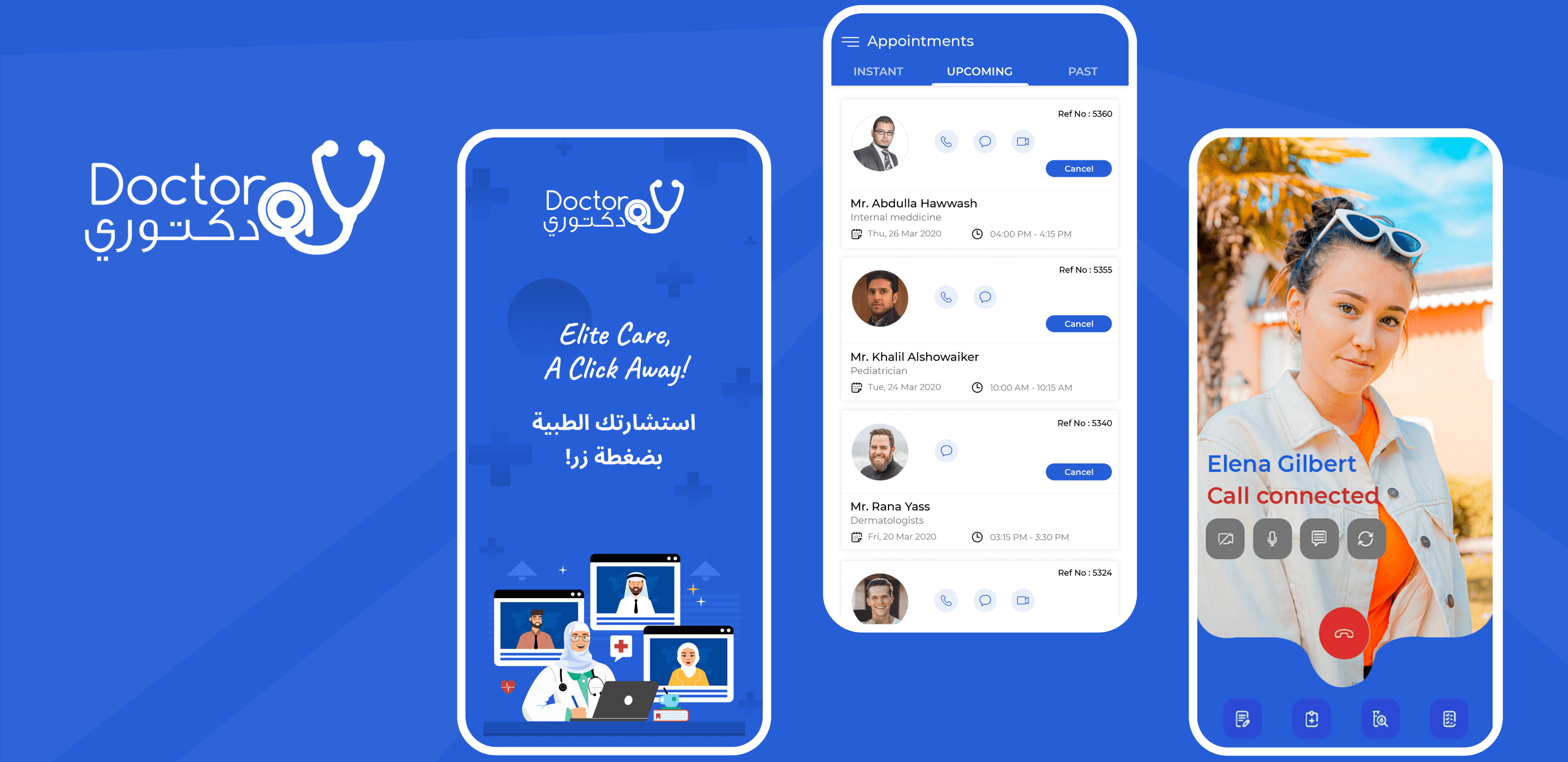
Doctoray is a digital healthcare platform designed to make medical consultations more accessible by connecting patients with doctors online. The platform enables users to discover doctors, check availability, schedule appointments, and consult healthcare professionals remotely through chat, audio, or video.
My Diet Studio is an online diet and wellness program provider offering personalized coaching to help individuals lose weight and improve their overall health in a convenient, accessible, and affordable way. Innvonix partnered with the client to build a platform combining personalized diet planning, body composition analysis, and continuous follow-up support delivered via WhatsApp, messaging, and calls.

We begin with your business objectives, critical data, and compliance obligations, then establish governance around what matters most.

We recommend frameworks, tools, and controls based on your environment, organizational needs, and regulatory context rather than a fixed product or template.

Our engineering and integration experience helps translate governance requirements into practical controls across platforms, applications, data pipelines, and integrations.

We balance security exposure, implementation costs, and operational impact, introducing governance improvements in manageable stages.

Our consultants work with executives, security, IT, legal, and business stakeholders to establish agreement on responsibilities, priorities, and decisions.

We build governance practices your teams can sustain through clear ownership, practical routines, and measurable performance indicators.
Every industry has unique security and compliance needs. Innvonix aligns governance with your business priorities and technology environment.


Protect patient and clinical information through defined accountability, data handling policies, and oversight aligned with privacy obligations.


Strengthen regulatory oversight, third-party risk management, and audit readiness across financial systems and operations.


Establish consistent controls for customer, payment, and supplier information across digital channels and business platforms.


Manage student, staff, and research data across decentralized departments through consistent policies and accountability.


Strengthen oversight across plant and enterprise systems, including supplier networks and operational technology connections.


Manage information access and data flows across carriers, partners, customers, and connected platforms.


Protect guest and payment information across properties, brands, service providers, and business systems.


Establish oversight for agricultural data and connected systems across farms, devices, partners, and supply chains.


Protect intellectual property, engineering information, and sensitive supply chain connections through defined security controls.


Maintain client confidentiality and consistent information handling across teams, projects, and external contractors.


Protect property, tenant, and transaction information across business operations, partners, and digital platforms.


Strengthen customer trust through structured security governance, customer assurance practices, and compliance readiness.
Protect patient and clinical information through defined accountability, data handling policies, and oversight aligned with privacy obligations.
Read More about HealthcareWe align security and governance with business priorities to strengthen accountability, improve risk visibility, and support measurable business outcomes.
Our experience across industries and technology environments helps organizations strengthen governance while maintaining operational continuity.
Years of Experience
Projects Delivered
Global Clients
Countries Served
Our engineering teams bring the technical depth and delivery capacity to translate governance requirements into practical systems and controls.
Team Members
Technologies
Development Hours Delivered
Production Systems
Our experience across enterprise systems, cloud environments, and integrations supports security governance across connected technology landscapes.
System Integrations Delivered
APIs & Endpoints Engineered
Cloud Infrastructures Managed
Senior Developers
Years of Experience
Projects Delivered
Global Clients
Countries Served
Establish essential policies, responsibilities, and risk management practices early, creating a governance foundation that can evolve with business growth.

Move beyond informal security practices with a defined governance model that supports customer expectations, audit requirements, and operational expansion.

Coordinate security governance across business units, regions, and third parties through consistent oversight, accountability, and enterprise-level reporting.

Real-world insights from enterprise technology delivery and transformation programs, with practical perspectives across AI, cloud, and scalable digital systems.
The modern corporate world is plagued by the age-old problem of how to maintain a creative edge, enhance processes, and provide..
Read More about Best Software Consulting Companies in the USA

There are constant changes happening every day in the software development industry as well as in the software development...
Read More about Top Software Development Trends to Watch in 2025

Business growth is exciting, but no one said it was all sunshine and rainbows. All of a sudden your to-do list is endless, you need certain skill sets
Read More about What is Staff Augmentation? How Staff Augmentation Benefits Business Growth?

Building a mobile application entails sophisticated planning, and one of the most pivotal decisions is deciding..
Read More about In-House vs. Outsourcing Mobile App Development: Which is Right for Your Business?

Software company roles vary from one company to another because of rapid expansion and flexibility. In this article, we...
Read More about Fundamental Roles in Software CompanyConnect security and governance with the broader security, data, and integration capabilities needed to protect enterprise systems and information.


Assess security risks, identify control gaps, and develop practical security roadmaps across infrastructure, applications, data, and operations.


Build a trusted data foundation through defined ownership, policies, data quality practices, and privacy management.


Strengthen identity management, streamline access controls, and reduce unauthorized access risks across enterprise environments.


Secure cloud environments and address compliance requirements across AWS, Microsoft Azure, and Google Cloud.


Connect core enterprise systems and platforms through scalable middleware and integration architecture.


Design, build, and connect custom APIs, enterprise systems, and third-party platforms.
Assess security risks, identify control gaps, and develop practical security roadmaps across infrastructure, applications, data, and operations.
Learn More about Cybersecurity Consulting and Risk AssessmentConnect with our experts to explore opportunities across AI, software, cloud, integration, and digital transformation.
Explore common questions about security governance, frameworks, data protection, compliance, and integration security.
Security governance establishes direction and oversight by defining accountability, policies, acceptable risk levels, and performance reporting. Security management implements these decisions through day-to-day controls, operations, and incident response. Governance provides direction, while management puts it into practice.
Senior leadership should provide oversight and accountability, with a security leader, such as a CISO, managing the program. Business, data, and system owners should remain responsible for their respective areas. A cross-functional governance committee involving IT, legal, risk, and business leaders can support consistent decisions and oversight.
APIs and integrations transfer information and enable access between systems. Weak controls across these connections can expose sensitive data, even when individual systems are well protected. Governance establishes authentication and access standards, controls data flows, assesses third-party connections, and maintains activity logs across connected environments.
Security governance helps organizations identify critical risks, assign accountability, establish consistent controls, and prioritize security investments. This structured approach improves risk visibility, supports informed decisions, and reduces exposure across business operations and technology environments.
We define measurable indicators such as policy compliance, risk remediation progress, control effectiveness, audit findings, incident trends, and accountability across business units. Regular reporting helps leadership evaluate performance and identify areas requiring improvement.
Organizations should review their governance framework regularly and whenever significant changes occur in business operations, technology environments, regulations, or risk exposure. Periodic assessments help keep policies, responsibilities, and controls relevant and effective.