



Blog

Step by Step Guide to Mobile App Development Process
The process begins with an idea. Identifying a problem to solve or a need to fulfill is key. This phase involves market...
Read More about Step by Step Guide to Mobile App Development ProcessInnvonix delivers low-code and no-code development services to build business applications, streamline workflows, and accelerate delivery. From internal tools to customer-facing portals, we align solutions with business needs, enterprise systems, and governance requirements.

Low-code and no-code platforms help organizations accelerate application development through visual interfaces, reusable components, and configurable workflows. But speed without architectural direction can introduce security gaps, disconnected systems, and application sprawl. Innvonix combines platform strategy, enterprise architecture, and governance to help businesses scale application delivery without compromising control or maintainability.
We transform application backlogs into business opportunities, aligning technology investments with operational priorities to accelerate execution and deliver measurable outcomes.
Reduce development cycles with visual tools, reusable components, and prebuilt capabilities that simplify application delivery.

Bring business stakeholders and technology teams together to translate operational requirements into reliable business applications.

Select platforms based on application complexity, integration requirements, security, licensing, and long-term business objectives.

Establish development standards, access controls, data policies, and application lifecycle practices to maintain security and oversight.

Connect applications with ERP, CRM, databases, and APIs to enable consistent data exchange and connected business processes.

Combine platform capabilities with custom code and APIs to accommodate complex requirements and evolving business needs.

From platform strategy to enterprise deployment, Innvonix helps organizations accelerate application delivery, digitize business processes, and reduce development backlogs. Our low-code and no-code development services combine visual development, reusable components, workflow configuration, and custom engineering to build applications that align with business requirements, integrate with enterprise systems, and support long-term growth.



Assess business requirements, application use cases, technical readiness, and existing systems to identify the right low-code and no-code platforms. We evaluate platform capabilities, licensing, integration options, and scalability to define an adoption strategy and implementation roadmap aligned with business objectives.


Build business-critical applications using visual development environments, reusable components, configurable workflows, and custom logic. We deliver solutions that address complex operational requirements while improving development speed, maintainability, and scalability.


Create business applications, forms, dashboards, portals, and data-driven tools using visual builders and preconfigured components. We help organizations digitize everyday operations and enable business teams to develop solutions with minimal coding.


Digitize repetitive business processes through configurable workflows, approval chains, task routing, and automated notifications. We build platform-based solutions that reduce manual handoffs, improve process visibility, and streamline operational activities.


Connect applications with ERP, CRM, databases, cloud services, and third-party systems through APIs, native connectors, and custom integrations. We enable reliable data exchange and connected workflows across enterprise environments.


Establish development standards, role-based access, security controls, environment management, and application lifecycle practices. We also optimize existing applications, manage platform updates, and establish governance frameworks that support secure, scalable adoption and controlled citizen development.
Our framework aligns platform selection, application development, and governance with business priorities to accelerate delivery, maintain control, and achieve measurable outcomes.
Evaluate business needs, application backlogs, existing systems, and team capabilities to identify suitable use cases and platforms.
Rank use cases by business value, complexity, risk, and implementation effort to establish a focused delivery roadmap.
Define application architecture, data models, integrations, security controls, and development standards.
Develop, test, and deploy applications while enabling teams through training, documentation, and ongoing support.
Business Challenge
Application requests face long development queues.
With Low-Code and No-Code Development
Visual development accelerates application delivery.
Business Challenge
Processes depend on spreadsheets and emails.
With Low-Code and No-Code Development
Purpose-built apps digitize workflows and approvals.
Business Challenge
IT teams struggle to meet growing demand.
With Low-Code and No-Code Development
Business and IT teams collaborate within defined guardrails.
Business Challenge
Unmanaged tools create security risks.
With Low-Code and No-Code Development
Governance improves security, visibility, and control.
Business Challenge
Applications operate in disconnected environments.
With Low-Code and No-Code Development
Integrations connect apps with enterprise systems and data.
Business Challenge
Platform selection creates technical uncertainty.
With Low-Code and No-Code Development
Strategic assessment identifies the right development approach.
Business Challenge
Applications struggle to support changing needs.
With Low-Code and No-Code Development
Extensible architecture supports evolving business requirements.

We prioritize business challenges, user needs, and operational outcomes before selecting development platforms.

We recommend low-code, no-code, or custom development based on technical requirements, business priorities, and long-term costs.

We support the complete journey, from platform assessment and selection to application development, integration, governance, and support.

We address data protection, access controls, platform costs, scalability, and vendor dependency from the outset.

Our consultants and engineers work closely with business stakeholders and IT leaders to maintain alignment and delivery quality.

We develop maintainable applications and governance practices that support evolving requirements, growing users, and expanding application portfolios.


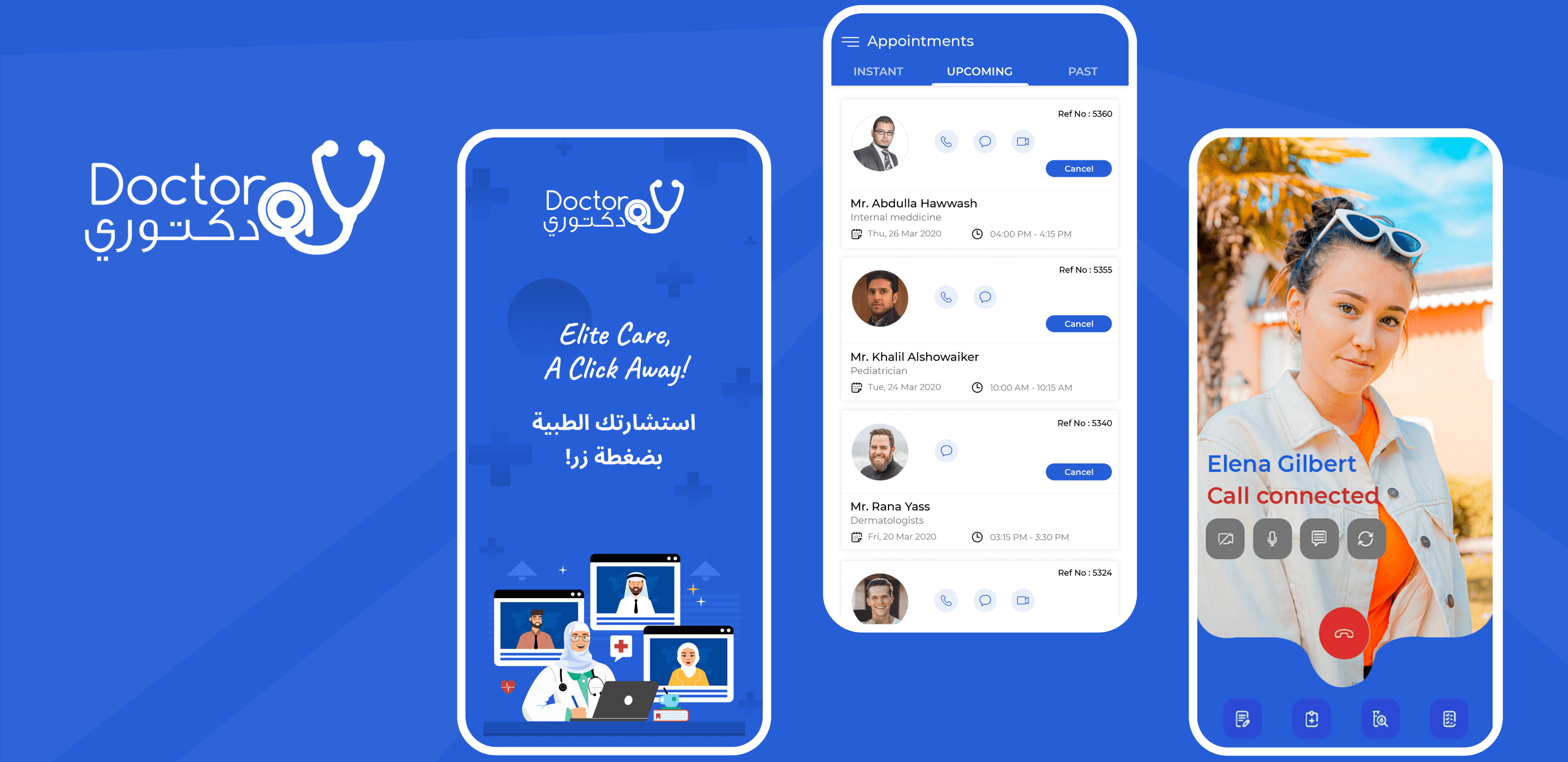
Doctoray is a digital healthcare platform designed to make medical consultations more accessible by connecting patients with doctors online. The platform enables users to discover doctors, check availability, schedule appointments, and consult healthcare professionals remotely through chat, audio, or video.
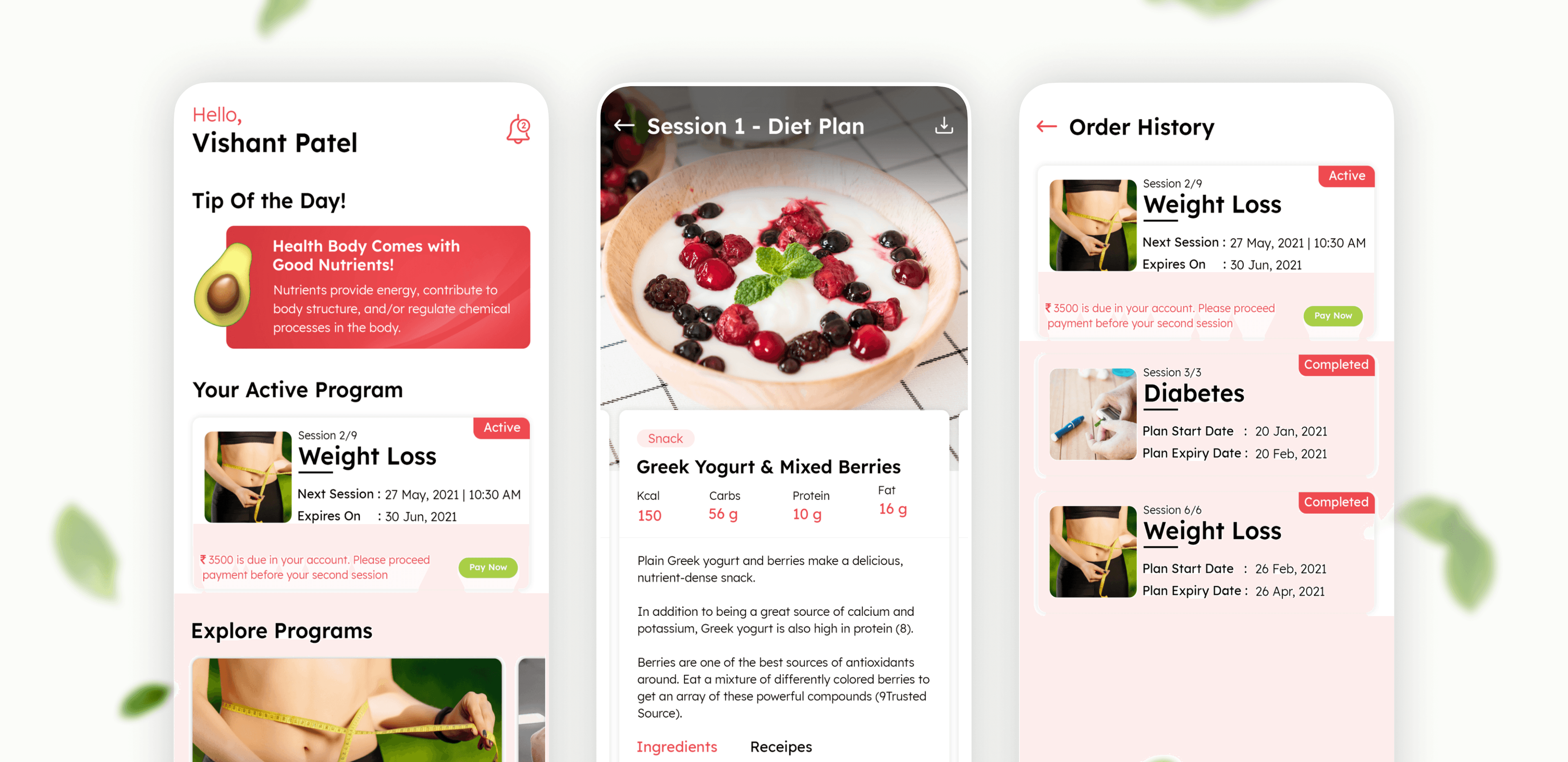
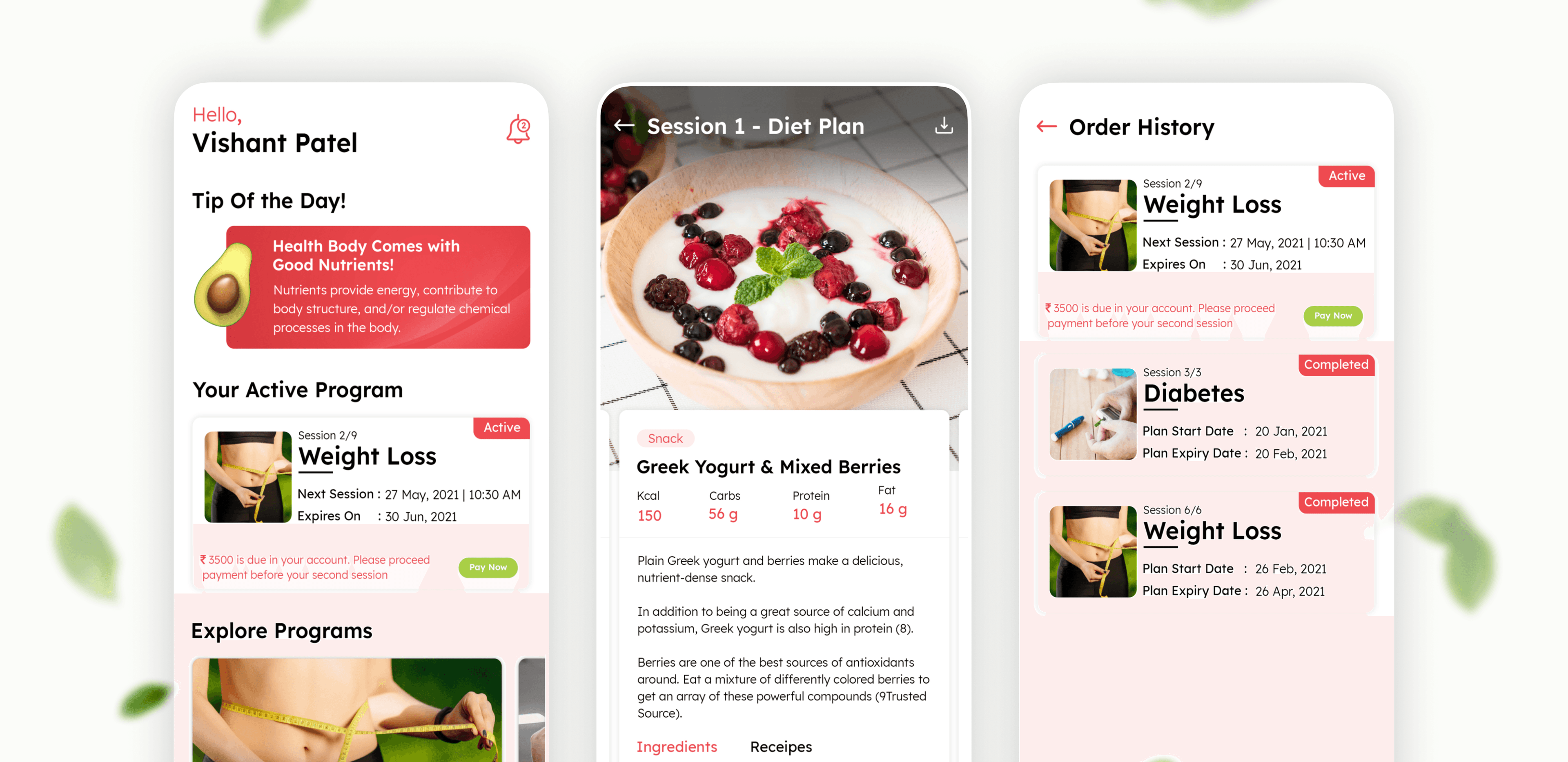
My Diet Studio is an online diet and wellness program provider offering personalized coaching to help individuals lose weight and improve their overall health in a convenient, accessible, and affordable way. Innvonix partnered with the client to build a platform combining personalized diet planning, body composition analysis, and continuous follow-up support delivered via WhatsApp, messaging, and calls.
Every industry has unique workflows and application needs. Innvonix delivers tailored low-code and no-code solutions that streamline operations and accelerate application delivery.


Digitize patient intake, appointment scheduling, and administrative workflows with appropriate data protection and access controls.


Streamline approval workflows, case management, and financial operations with auditability and compliance requirements in mind.


Simplify inventory management, supplier coordination, and store operations through connected business applications.


Digitize admissions, enrollment, student administration, and institutional workflows to reduce manual processes.


Improve inspection reporting, maintenance management, and shop-floor data collection through purpose-built applications.


Streamline dispatch, shipment tracking, exception handling, and field operations through connected workflows.


Manage service requests, housekeeping operations, and event coordination through centralized applications.


Digitize field data collection, farm operations, resource tracking, and agricultural workflows for distributed teams.


Manage engineering requests, change approvals, documentation, and process tracking through structured applications.


Simplify employee onboarding, timesheets, resource allocation, and client request management.


Digitize property management, maintenance requests, leasing workflows, and tenant communication.


Develop internal tools, customer support workflows, administrative portals, and operational applications that reduce manual engineering dependencies.
Digitize patient intake, appointment scheduling, and administrative workflows with appropriate data protection and access controls.
Read More about HealthcareWe combine engineering expertise, delivery experience, and integration capabilities to build low-code and no-code solutions that accelerate application delivery and create measurable business value.
Our cross-industry experience helps organizations navigate application development challenges and deliver solutions with confidence.
Years of Experience
Projects Delivered
Global Clients
Countries Served
Our engineering teams bring the technical expertise and delivery capacity to build, integrate, and extend business applications.
Technology Experts
Technologies
Development Hours
Production Systems
We combine application engineering, platform knowledge, and enterprise integration capabilities to deliver connected business solutions.
Custom Applications Delivered
Technology Stacks Supported
APIs and Endpoints Engineered
Systems Integrations Delivered
Years of Experience
Projects Delivered
Global Clients
Countries Served
Digitize manual processes and build business applications faster without expanding development resources.

Accelerate application delivery and reduce backlogs while maintaining IT standards and integration requirements.

Scale application development across business units with centralized governance, security, and platform oversight.

Real-world insights from enterprise technology delivery and transformation programs, with practical perspectives across AI, cloud, and scalable digital systems.
The process begins with an idea. Identifying a problem to solve or a need to fulfill is key. This phase involves market...
Read More about Step by Step Guide to Mobile App Development Process

As an entrepreneur, does it make sense to invest heavily in a product only to find out there's no demand for it? No. Innovative..
Read More about The Ultimate Minimum Viable Product (MVP) Development Guide

There are constant changes happening every day in the software development industry as well as in the software development...
Read More about Top Software Development Trends to Watch in 2025

The significance of mobile platforms nowadays is well known. By the end of 2024, mobile applications are expected to bring in more than $935 billion. 2.87 million
Read More about Guide to Hire the Right Mobile App Development Company

Different mobile platforms and development approaches have their preferred programming languages...
Read More about Top Mobile App Development Trends to Watch Out for in 2025Connect low-code and no-code development with the broader automation, integration, and engineering capabilities required to deliver complete solutions.


Automate approvals, handoffs, and business processes end to end across connected systems.


Design and build tailored applications that fit your processes, data, and long-term goals.


Design and build web and mobile products that connect to APIs and third-party services.


Validate ideas and launch market-ready first versions quickly with product discovery and focused engineering.


Design, build, and connect custom APIs, enterprise systems, and third-party platforms.


Support, maintain, and optimize business-critical applications so every system stays dependable.
Automate approvals, handoffs, and business processes end to end across connected systems.
Learn More about Workflow & Business AutomationExplore common questions about low-code and no-code development, including platform selection, application security, scalability, integration, and governance.
No-code platforms use visual tools to build applications without writing code, making them suitable for simpler business needs. Low-code platforms combine visual development with custom coding capabilities to support more complex applications and integrations.
Low-code works well for internal tools, workflow applications, portals, and business processes where platform capabilities meet requirements. Custom development is better suited to highly specialized functionality, complex performance needs, and products requiring greater architectural flexibility.
Yes, when supported by suitable platforms, application architecture, and governance. Security depends on access controls, data protection, and integration practices, while scalability depends on platform capabilities, application design, and workload requirements.
Yes. Many platforms support native connectors, APIs, webhooks, and integration services to connect applications with ERP, CRM, databases, and third-party systems. Integration capabilities should be evaluated during platform selection.
Yes, depending on platform capabilities. Low-code platforms often support custom logic, APIs, reusable components, and external services. Highly specialized requirements may still need custom engineering or a hybrid development approach.
Consider application requirements, integration capabilities, security, scalability, customization options, licensing costs, and internal skills. The right platform should support current business needs while offering flexibility for future growth.
Connect with our experts to explore opportunities across AI, software, cloud, integration, and digital transformation.