



Blog

Best Software Consulting Companies in the USA
The modern corporate world is plagued by the age-old problem of how to maintain a creative edge, enhance processes, and provide..
Read More about Best Software Consulting Companies in the USAInnvonix delivers document and content management services that centralize information, streamline workflows, and strengthen enterprise governance. Improve information access, operational efficiency, and control across business systems.

Business-critical information needs more than storage. It requires structure, accessibility, security, and governance throughout its lifecycle. Innvonix helps organizations establish a reliable content management foundation that connects information management with business operations, regulatory requirements, and long-term technology priorities.
We bring together enterprise architecture, platform engineering, and workflow automation to help technology and business leaders improve information accessibility, reduce operational friction, and strengthen organizational control.
Consolidate business documents and records within governed repositories, establishing a reliable source of approved information across departments.

Apply metadata, classification, indexing, and enterprise search to help teams retrieve relevant information with greater speed and accuracy.

Implement role-based permissions, document versioning, and audit trails to protect sensitive information and maintain document integrity.

Automate document reviews, approvals, routing, and electronic signatures to reduce manual coordination and accelerate business processes.

Establish retention schedules, legal holds, auditability, and controlled disposition processes aligned with organizational policies and applicable regulations.

Modernize content management environments with scalable cloud and hybrid architectures that support distributed operations and evolving business requirements.

From fragmented document repositories to connected enterprise information environments, we help organizations modernize how business content is captured, managed, accessed, and governed. Our document and content management services cover strategy, enterprise platform implementation, information migration, workflow automation, system integration, and ongoing optimization.


Assess repositories, information flows, document processes, and governance requirements. Define content architecture, classification standards, technology priorities, and implementation roadmaps aligned with business objectives.


Implement document management systems with structured repositories, metadata, access controls, version management, search, and enterprise integrations.


Unify documents, records, emails, and business information through centralized governance, lifecycle management, and automated workflows.


Modernize content management through cloud and hybrid architectures. Migrate existing repositories while maintaining data integrity, security, and operational continuity.


Digitize paper-based and unstructured documents using scanning, OCR, automated classification, and data extraction, with validation and human review where needed.


Automate document approvals, e-signatures, records retention, and compliance workflows. Integrate content platforms with ERP, CRM, and other enterprise systems.
Our framework aligns business priorities, information architecture, and platform capabilities to modernize information management and improve operational efficiency.
Assess document repositories, content volumes, workflows, access requirements, and retention policies. Identify information silos, governance gaps, and improvement opportunities.
Prioritize processes based on business impact, compliance needs, implementation complexity, and investment priorities. Define a phased roadmap with measurable objectives.
Design the platform architecture, metadata, classification, security controls, workflows, integrations, and migration strategy around enterprise requirements.
Implement the solution, migrate and validate content, integrate enterprise applications, and support user adoption through training and continuous optimization.
Business Challenges
Teams struggle to locate business-critical documents.
With Document and Content Management
Metadata, classification, and enterprise search improve information discovery.
Business Challenges
Multiple versions of documents create confusion.
With Document and Content Management
Version control maintains document history and approved versions.
Business Challenges
Sensitive documents are shared without consistent control.
With Document and Content Management
Role-based permissions and audit trails govern information access.
Business Challenges
Document approvals depend on emails and manual follow-ups.
With Document and Content Management
Automated workflows streamline reviews, approvals, and routing.
Business Challenges
Paper-based records are difficult to access and process.
With Document and Content Management
Digitization and intelligent extraction make documents searchable and usable.
Business Challenges
Retention and disposal practices are inconsistent.
With Document and Content Management
Policy-driven records management strengthens governance and compliance.
Business Challenges
Content remains disconnected from business applications.
With Document and Content Management
Enterprise integrations connect documents with ERP, CRM, and operational workflows.

We begin with business processes, information challenges, and operational priorities rather than recommending technology without understanding the underlying requirements.

We evaluate platforms and architectures based on business needs, existing infrastructure, integration requirements, and long-term operating costs across cloud, on-premises, and hybrid environments.

We support the complete transformation journey, from information assessment and platform selection to implementation, migration, integration, automation, and ongoing support.

We incorporate information security, access controls, privacy considerations, retention requirements, and auditability into solution architecture and implementation.

Our teams work with business stakeholders, IT leaders, legal teams, and records management professionals to align technology decisions with operational and governance requirements.

We build scalable content architectures and manageable governance frameworks that adapt to increasing information volumes, organizational growth, and changing business requirements.


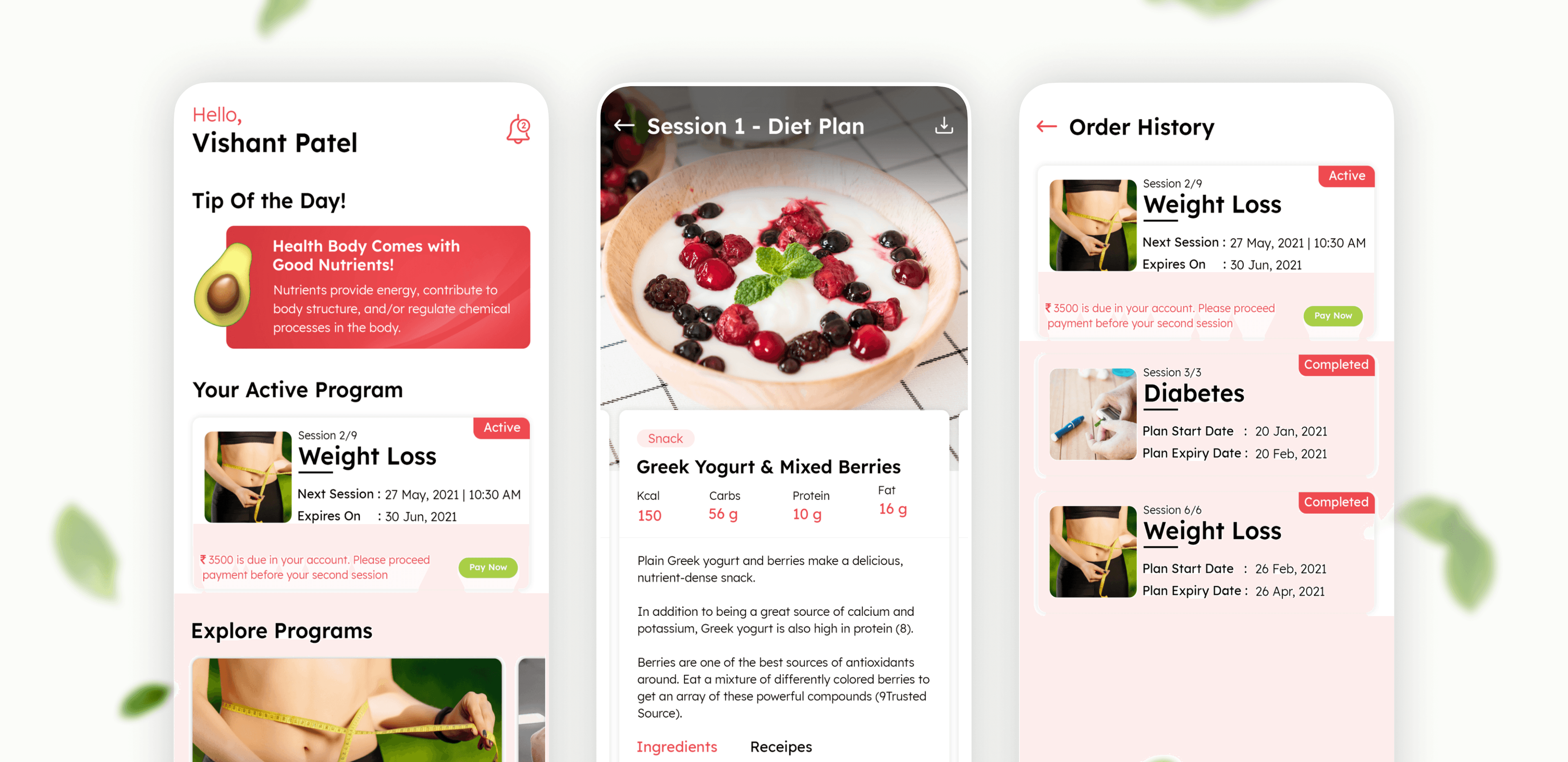
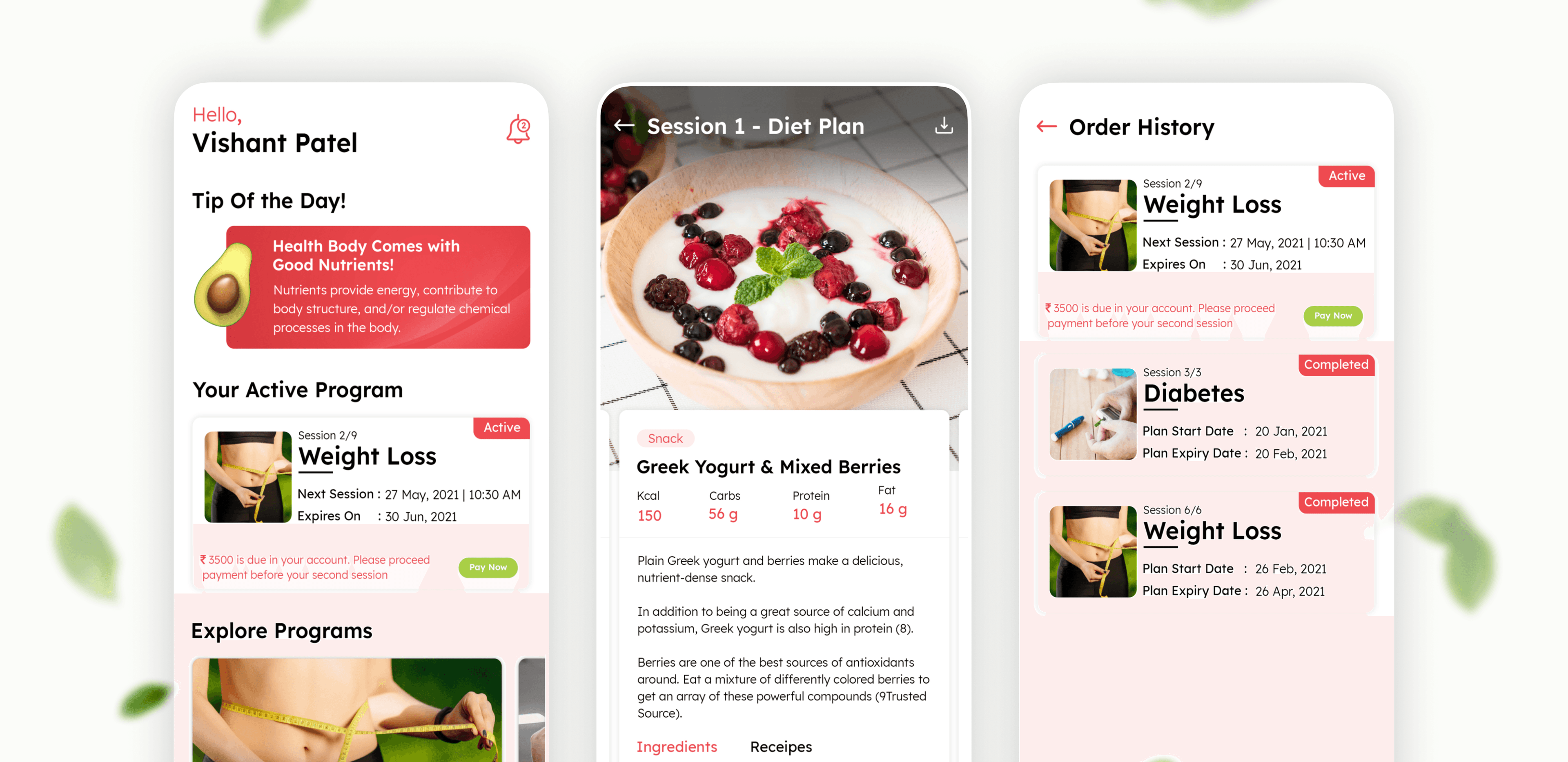
My Diet Studio is an online diet and wellness program provider offering personalized coaching to help individuals lose weight and improve their overall health in a convenient, accessible, and affordable way. Innvonix partnered with the client to build a platform combining personalized diet planning, body composition analysis, and continuous follow-up support delivered via WhatsApp, messaging, and calls.
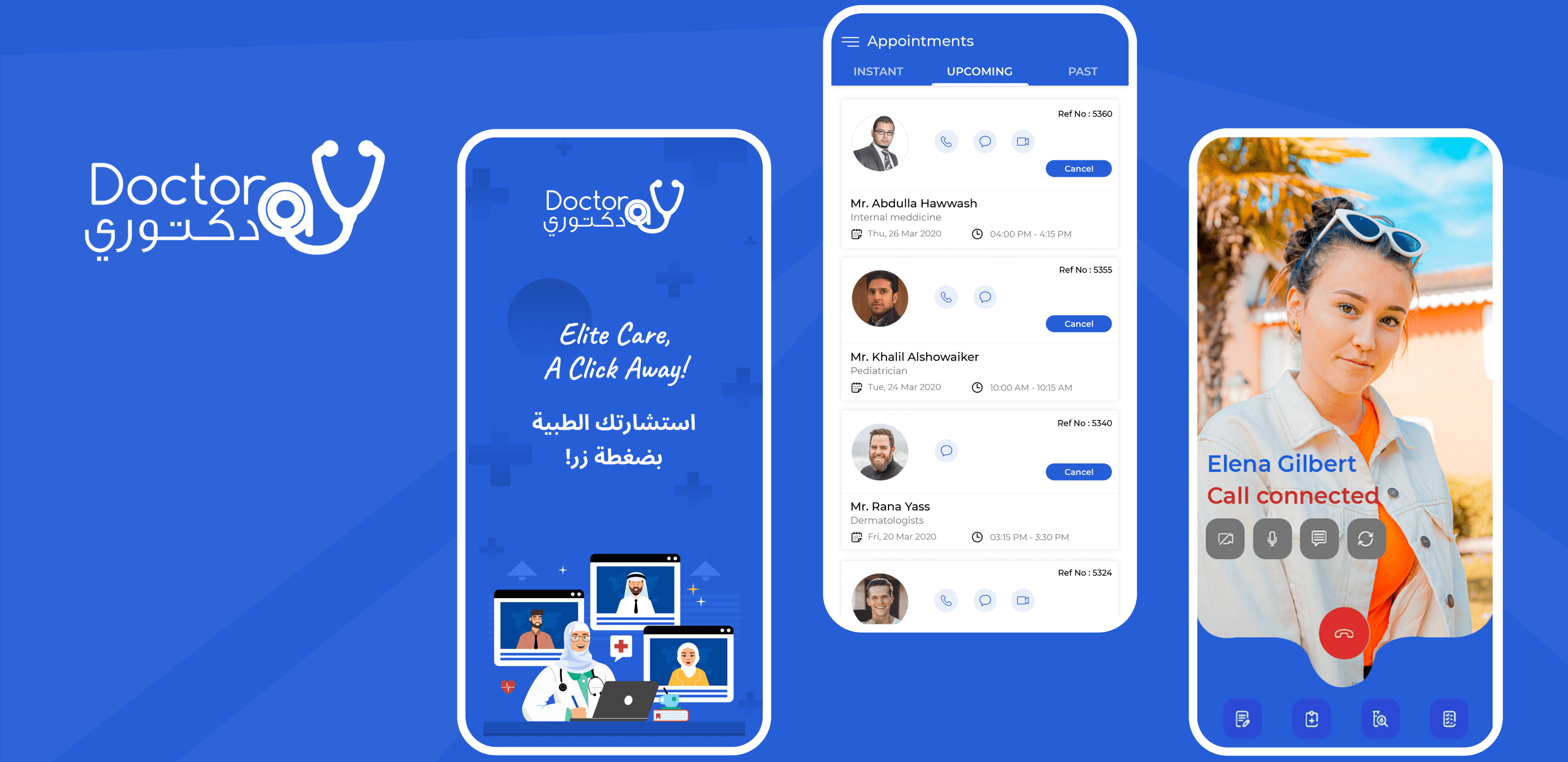
Doctoray is a digital healthcare platform designed to make medical consultations more accessible by connecting patients with doctors online. The platform enables users to discover doctors, check availability, schedule appointments, and consult healthcare professionals remotely through chat, audio, or video.
Innvonix delivers industry-specific content management solutions aligned with unique workflows, technology environments, and governance needs.


Manage patient records, administrative documents, and compliance information with controlled access, audit trails, and defined retention policies.


Organize customer records, contracts, financial documents, and regulatory information through secure repositories and structured governance.


Centralize supplier agreements, product documentation, inventory records, and store operations documents across distributed teams.


Manage student records, administrative documents, and research information with structured access, approval workflows, and archiving.


Control engineering drawings, technical specifications, quality records, and operational documentation through version management and approval workflows.


Digitize and manage shipping, customs, delivery, and supply chain documentation to improve information accessibility and processing efficiency.


Centralize property contracts, operational documentation, compliance records, and administrative information across multiple locations.


Manage certifications, traceability records, agricultural documentation, and supply chain compliance information.


Manage engineering specifications, process documentation, and quality records with controlled access, traceability, and version governance.


Organize client files, proposals, contracts, and organizational knowledge assets to support secure collaboration and information retrieval.


Manage property records, leases, transaction documents, and agreements through secure repositories and structured access controls.


Centralize organizational policies, customer documentation, security records, and contractual information to support operational governance and enterprise requirements.
Manage patient records, administrative documents, and compliance information with controlled access, audit trails, and defined retention policies.
Read More about HealthcareWe combine enterprise technology expertise, engineering capabilities, and scalable delivery to modernize information management and achieve measurable business outcomes.
Our experience across industries, enterprise platforms, and digital transformation initiatives helps organizations modernize information environments while maintaining business continuity.
Years of Experience
Projects Delivered
Global Clients
Countries Served
Our engineering capabilities provide the technical depth and delivery capacity to implement, integrate, and scale enterprise content management environments.
Team Members
Technologies
Development Hours Delivered
Production Systems
We combine enterprise application expertise, systems integration, and cloud engineering to connect complex technology environments and support enterprise modernization.
System Integrations Delivered
APIs and Endpoints Engineered
Cloud Infrastructures Managed
Enterprise Applications Supported
Years of Experience
Projects Delivered
Global Clients
Countries Served
Establish a structured document management foundation early, with centralized repositories, access controls, and automated workflows that support business growth.

Move beyond fragmented shared drives and disconnected applications with enterprise content management solutions that improve information governance, integration, and operational efficiency.

Modernize complex content environments across departments, regions, and enterprise systems with scalable architectures, standardized governance, and lifecycle management.

Real-world insights from enterprise technology delivery and transformation programs, with practical perspectives across AI, cloud, and scalable digital systems.
The modern corporate world is plagued by the age-old problem of how to maintain a creative edge, enhance processes, and provide..
Read More about Best Software Consulting Companies in the USA

There are constant changes happening every day in the software development industry as well as in the software development...
Read More about Top Software Development Trends to Watch in 2025

Business growth is exciting, but no one said it was all sunshine and rainbows. All of a sudden your to-do list is endless, you need certain skill sets
Read More about What is Staff Augmentation? How Staff Augmentation Benefits Business Growth?

Building a mobile application entails sophisticated planning, and one of the most pivotal decisions is deciding..
Read More about In-House vs. Outsourcing Mobile App Development: Which is Right for Your Business?

Software company roles vary from one company to another because of rapid expansion and flexibility. In this article, we...
Read More about Fundamental Roles in Software CompanyConnect document and content management with the broader enterprise technology capabilities required to streamline information-driven business operations.


Automate approvals, business processes, and operational handoffs across connected enterprise systems.


Connect core enterprise applications and platforms through scalable middleware and integration architectures.


Modernize applications, data, and infrastructure with cloud architectures designed for performance, scalability, and operational efficiency.


Strengthen identity governance, streamline access controls, and protect enterprise resources.


Develop and deploy machine learning solutions that support intelligent information processing and data-driven decisions.


Design and engineer enterprise applications aligned with business processes, technology requirements, and long-term objectives.
Automate approvals, business processes, and operational handoffs across connected enterprise systems.
Learn More about Workflow and Business AutomationExplore common questions about content management platforms, implementation, cloud deployment, migration, and governance.
Document management focuses on storing, organizing, retrieving, and controlling documents such as contracts, invoices, and reports. Enterprise content management (ECM) extends these capabilities to emails, records, images, and other business information through centralized governance, workflow automation, and lifecycle management.
An enterprise content management system should include centralized repositories, metadata management, document search, version control, access permissions, workflow automation, audit trails, records retention, and enterprise application integrations. AI-powered search and intelligent document processing can further improve information accessibility and operational efficiency.
Evaluate platforms based on business requirements, document volumes, workflow complexity, security controls, compliance needs, scalability, and integration capabilities. The right platform should support existing enterprise systems, simplify information management, and accommodate future operational requirements.
Cloud-based content management offers scalability, accessibility, and reduced infrastructure management. On-premises deployment provides greater control over infrastructure and hosting environments, while hybrid architectures combine both approaches. The right choice depends on security requirements, regulatory obligations, integration needs, and business priorities.
Enterprise content migration begins with assessing existing repositories, document formats, metadata, permissions, and retention policies. The process includes content classification, metadata mapping, secure migration, and validation to preserve information integrity, accessibility, and business continuity.
Yes. Enterprise content management systems can integrate with ERP, CRM, HRMS, and other business applications through APIs, middleware, and enterprise integration platforms. These integrations connect documents and business workflows, reduce information silos, and improve operational visibility.
Enterprise content management supports information security through role-based access controls, encryption, audit trails, version history, retention policies, and controlled document disposition. These capabilities help organizations enforce governance policies and support applicable regulatory requirements.
AI improves enterprise content management through intelligent document classification, automated data extraction, semantic search, document summarization, and information retrieval. When implemented with appropriate security and governance controls, these capabilities help employees access relevant information faster and reduce manual processing.
Connect with our experts to explore opportunities across AI, software, cloud, integration, and digital transformation.