



Blog

Best Software Consulting Companies in the USA
The modern corporate world is plagued by the age-old problem of how to maintain a creative edge, enhance processes, and provide..
Read More about Best Software Consulting Companies in the USAProtect critical operations and strengthen business resilience. Innvonix delivers business continuity and disaster recovery services that help enterprises minimize disruption, safeguard critical assets, and restore operations with confidence through resilient architectures and tested recovery strategies.

Operational resilience requires more than backup systems and recovery procedures. It demands a clear understanding of business priorities, technology dependencies, acceptable downtime, and the capabilities required to restore critical operations. Innvonix brings these elements together through a structured approach to business continuity and IT disaster recovery.
We help executives and technology leaders translate disruption risks into actionable resilience strategies, aligning technology investments with operational priorities and measurable business outcomes.
Identify critical business processes, technology dependencies, and the financial impact of disruption to prioritize protection where it delivers the greatest value.

Establish recovery time objectives and recovery point objectives for critical systems, aligning recovery expectations with business requirements and risk tolerance.

Engineer backup, replication, and failover architectures across on-premises, cloud, and hybrid environments to support defined recovery objectives.

Implement secure, isolated, and tamper-resistant backup strategies to protect critical data and strengthen recovery capabilities against cyber threats.

Establish clear responsibilities, recovery procedures, and communication protocols, supported by structured testing and scenario-based exercises.

Maintain documented continuity strategies, recovery procedures, and testing evidence to support regulatory obligations, customer expectations, and organizational accountability.

Our business continuity services and IT disaster recovery services help enterprises establish structured recovery capabilities across business processes, applications, data, and infrastructure. We combine strategic planning, engineering expertise, and ongoing validation to ensure recovery investments address business priorities and operational risks.



Assess business impact, operational dependencies, and organizational risks to develop continuity strategies aligned with business priorities, regulatory obligations, and risk tolerance.


Develop actionable business continuity and disaster recovery plans covering critical processes, recovery responsibilities, escalation procedures, communication protocols, and technical runbooks.


Design and implement disaster recovery architectures across applications, infrastructure, and data environments, including backup, replication, failover, and disaster recovery as a service where appropriate.


Build cloud-based and hybrid recovery architectures across AWS, Azure, and Google Cloud, balancing infrastructure costs, workload criticality, and recovery objectives.


Strengthen recovery readiness through isolated backups, protected recovery credentials, clean recovery environments, and validated restoration procedures designed for cyber disruption scenarios.


Validate recovery capabilities through technical testing and business continuity exercises. Identify improvement opportunities and maintain recovery plans as technology environments and business requirements evolve.
Our framework aligns business priorities, technology architecture, and operational responsibilities to reduce risk, strengthen recovery readiness, and support business continuity.
Evaluate critical business processes, technology dependencies, operational risks, and financial exposure. Assess existing continuity plans, backup capabilities, and recovery gaps to establish a clear baseline.
Classify systems and processes by business criticality, establish recovery time and recovery point objectives, and prioritize investments based on risk exposure, operational impact, and cost.
Define business continuity strategies, recovery architectures, technology requirements, governance models, and communication protocols aligned with organizational objectives.
Implement recovery solutions, document operational procedures, validate performance through structured testing, and continuously improve recovery capabilities as business requirements evolve.
Business Challenge
Unclear business impact of system downtime
How We Address It
Business impact analysis establishes critical priorities and recovery objectives
Business Challenge
Existing backups lack validated recovery procedures
How We Address It
Structured recovery testing validates restoration capabilities and identifies gaps
Business Challenge
Outdated continuity plans and documentation
How We Address It
Maintained recovery plans and operational runbooks reflect current business and technology environments
Business Challenge
Cyberattacks compromise production data and backups
How We Address It
Isolated, tamper-resistant backups strengthen data protection and recovery readiness
Business Challenge
Uneven recovery investments across critical systems
How We Address It
Risk-based prioritization aligns protection levels and costs with business criticality
Business Challenge
Unclear responsibilities during business disruptions
How We Address It
Defined roles, escalation procedures, and communication protocols support coordinated response
Business Challenge
Limited evidence of recovery preparedness
How We Address It
Documented plans, testing outcomes, and governance records support accountability and audit requirements

We align continuity and recovery initiatives with business priorities, financial exposure, customer commitments, and operational requirements to protect measurable business value.

We evaluate recovery technologies based on your infrastructure, workloads, recovery objectives, and investment priorities across on-premises, AWS, Azure, Google Cloud, and hybrid environments.

We bring strategy, consulting, engineering, implementation, and testing together to support the complete business continuity and disaster recovery lifecycle.

We balance recovery requirements, infrastructure costs, security, and operational complexity to build resilience without unnecessary technology investments.

Our consultants work directly with business and technology leaders to establish recovery priorities, define accountability, and align execution with organizational goals.

We build sustainable continuity and recovery capabilities supported by documented processes, regular validation, and ongoing optimization as business environments evolve.


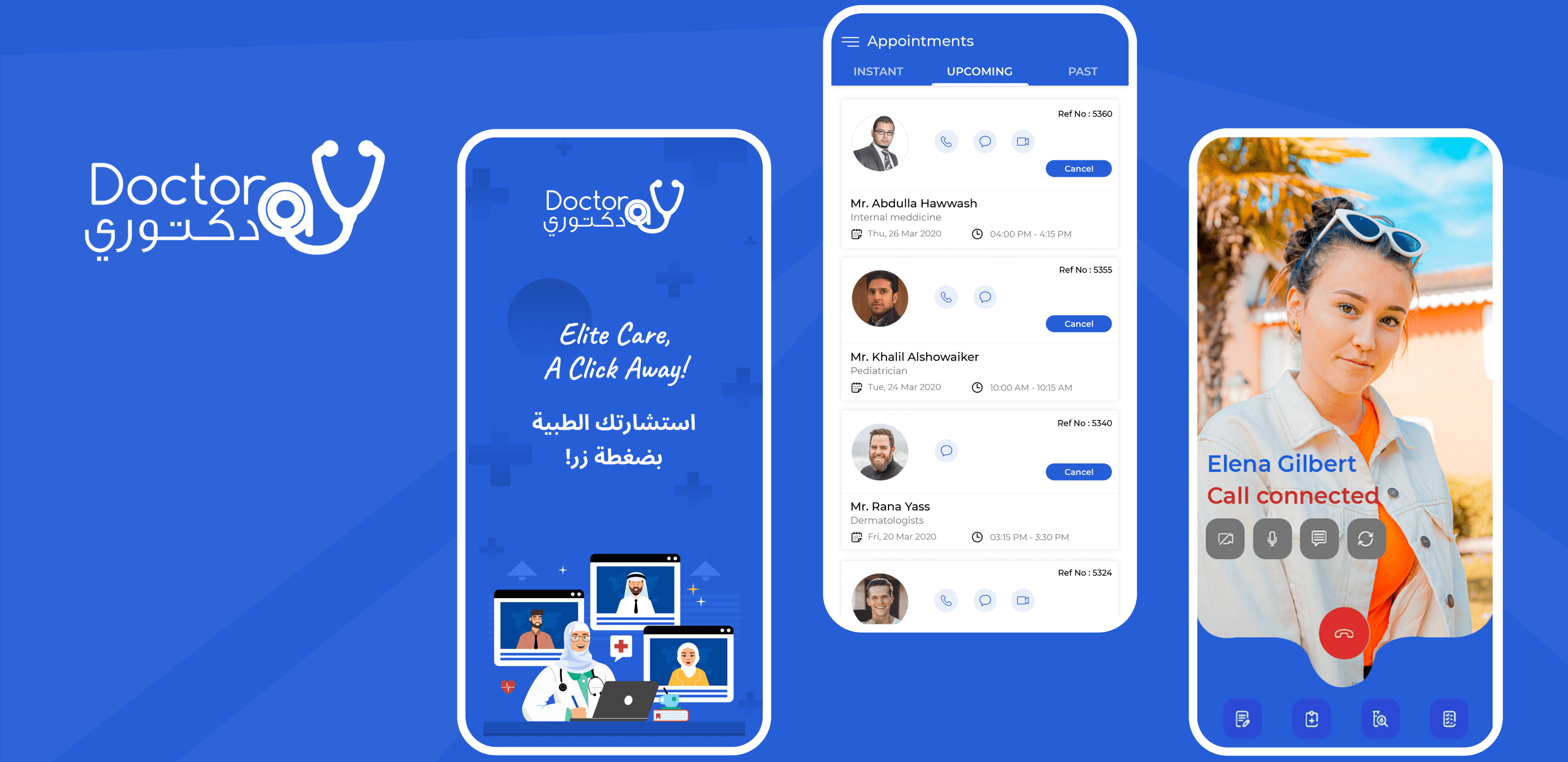
Doctoray is a digital healthcare platform designed to make medical consultations more accessible by connecting patients with doctors online. The platform enables users to discover doctors, check availability, schedule appointments, and consult healthcare professionals remotely through chat, audio, or video.
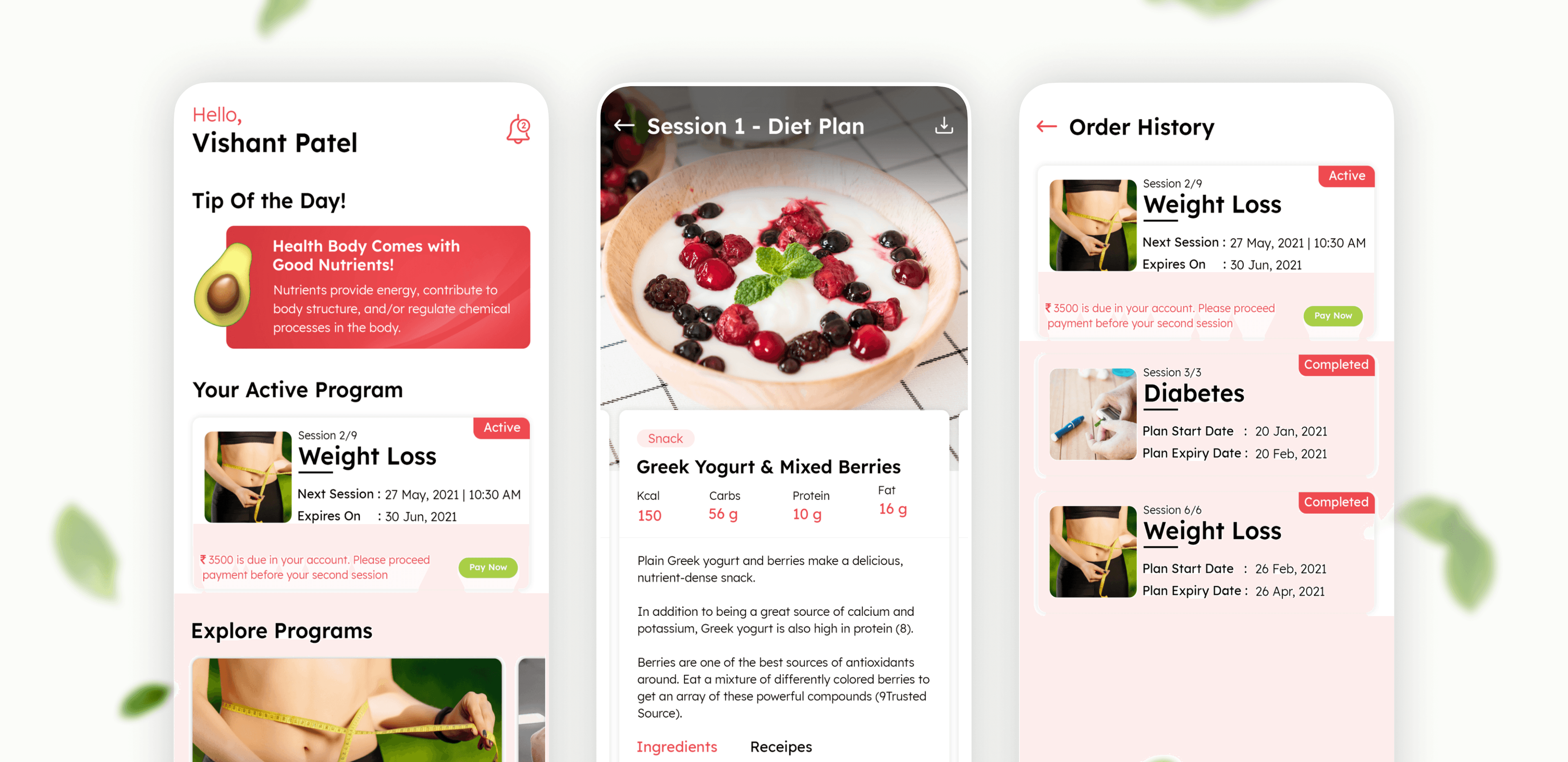
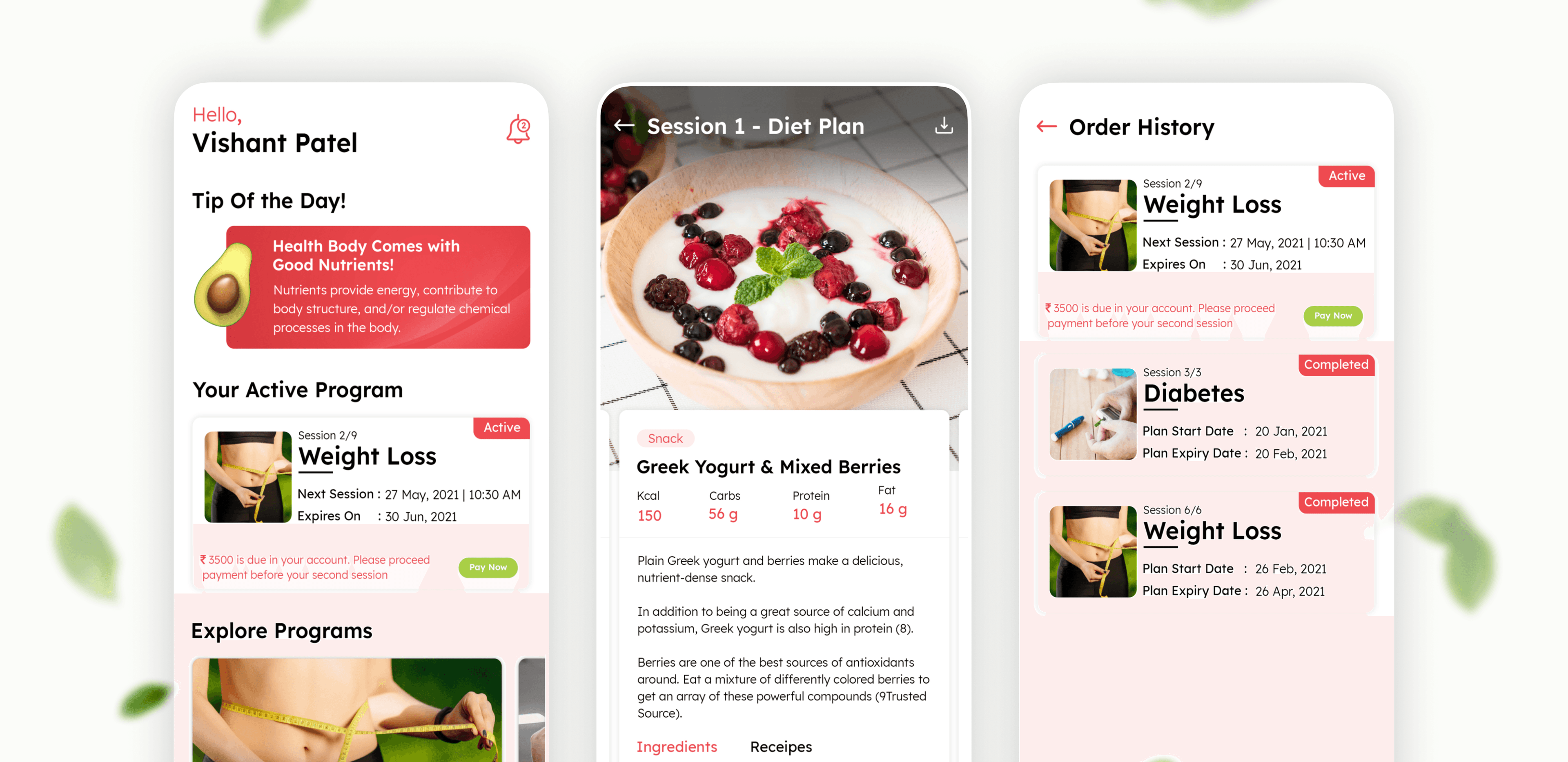
My Diet Studio is an online diet and wellness program provider offering personalized coaching to help individuals lose weight and improve their overall health in a convenient, accessible, and affordable way. Innvonix partnered with the client to build a platform combining personalized diet planning, body composition analysis, and continuous follow-up support delivered via WhatsApp, messaging, and calls.
From regulatory obligations to technology dependencies, we align recovery strategies with industry requirements to strengthen resilience and protect business performance.


Protect clinical applications, patient information, and healthcare operations with recovery strategies aligned with patient safety, data privacy, and regulatory requirements.


Strengthen the recovery readiness of transaction platforms, financial applications, and customer systems with defined recovery objectives and documented controls.


Maintain commerce, payment, inventory, and customer platforms through peak demand periods and unexpected operational disruptions.


Protect learning management systems, academic records, and administrative platforms to maintain continuity across academic operations.


Strengthen recovery capabilities across production systems, supply chain applications, and plant infrastructure to minimize operational downtime.


Maintain recoverability across tracking, dispatch, warehouse, and planning systems supporting time-sensitive supply chain operations.


Protect reservation platforms, guest management systems, and property operations to maintain service continuity across locations.


Safeguard agricultural data platforms, distributed systems, and operational applications supporting time-sensitive business decisions.


Protect engineering environments, manufacturing systems, and critical production data where downtime and data loss can significantly affect operations.


Maintain access to client-facing applications, internal business systems, and critical project data while protecting client deliverables.


Strengthen recovery readiness across property management platforms, transaction systems, tenant applications, and business records.


Design recovery architectures for multi-tenant platforms, aligning infrastructure resilience with service commitments and customer availability requirements.
Protect clinical applications, patient information, and healthcare operations with recovery strategies aligned with patient safety, data privacy, and regulatory requirements.
Read More about HealthcareWe combine strategic consulting and engineering expertise to help enterprises strengthen operational resilience, protect critical technology investments, and establish reliable recovery capabilities.
Our experience across industries and complex technology environments enables enterprises to address operational risks, strengthen resilience, and execute critical initiatives with confidence.
Years in Business
Projects Delivered
Global Clients
Industries Served
Our teams bring the technical expertise and delivery capacity to design, implement, and support resilient enterprise technology environments.
Team Members
Technologies
Development Hours
Senior Developers
Our cloud, infrastructure, and systems integration capabilities help enterprises build resilient technology environments, strengthen system connectivity, and maintain operational continuity.
Cloud Infrastructures Managed
Production Systems Shipped
APIs and Endpoints Engineered
Countries Served
Years in Business
Projects Delivered
Global Clients
Industries Served
Establish essential backup strategies, recovery objectives, and documented continuity plans to protect business operations as technology environments expand.

Move beyond basic backup practices with structured, tested recovery capabilities that balance business criticality, operational risks, and infrastructure costs.

Coordinate continuity and disaster recovery across business units, locations, applications, and cloud platforms through enterprise-wide governance and recovery strategies.

Real-world insights from enterprise technology delivery and transformation programs, with practical perspectives across AI, cloud, and scalable digital systems.
The modern corporate world is plagued by the age-old problem of how to maintain a creative edge, enhance processes, and provide..
Read More about Best Software Consulting Companies in the USA

There are constant changes happening every day in the software development industry as well as in the software development...
Read More about Top Software Development Trends to Watch in 2025

Business growth is exciting, but no one said it was all sunshine and rainbows. All of a sudden your to-do list is endless, you need certain skill sets
Read More about What is Staff Augmentation? How Staff Augmentation Benefits Business Growth?
Building a mobile application entails sophisticated planning, and one of the most pivotal decisions is deciding..
Read More about In-House vs. Outsourcing Mobile App Development: Which is Right for Your Business?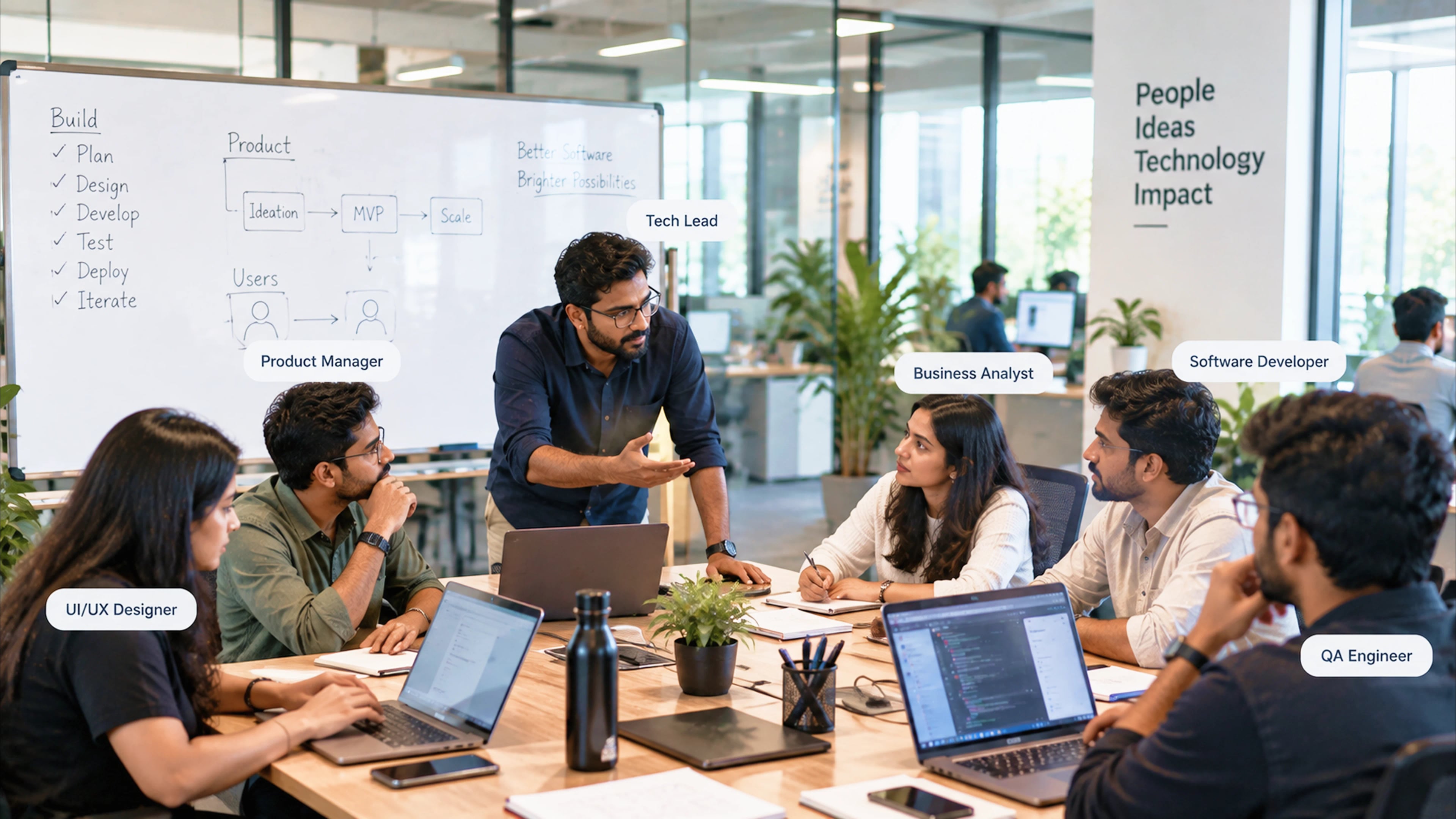
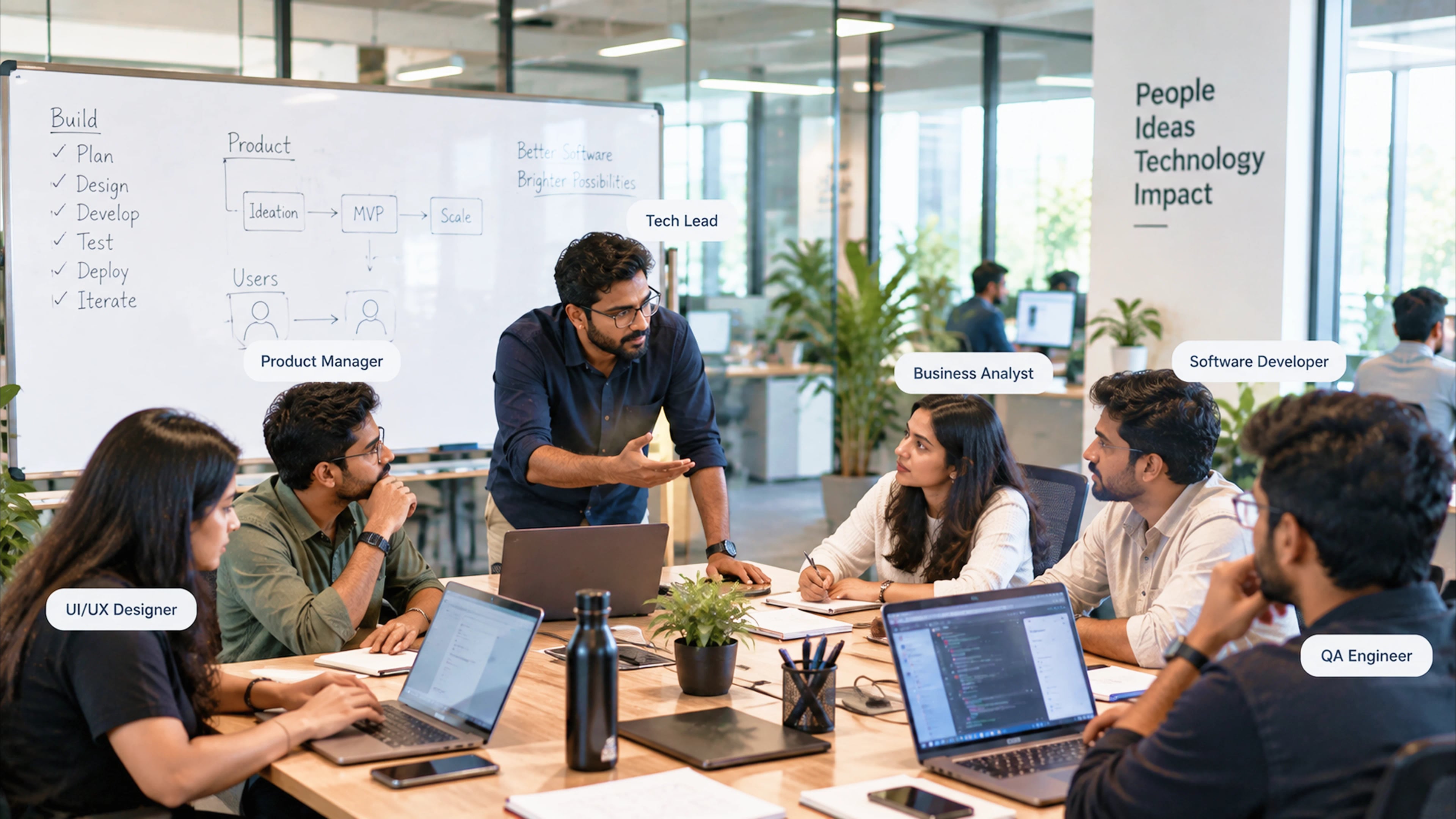
Software company roles vary from one company to another because of rapid expansion and flexibility. In this article, we...
Read More about Fundamental Roles in Software CompanyStrengthen enterprise resilience through integrated cloud, reliability, and cybersecurity capabilities that support secure, available, and recoverable technology environments.


Operate, monitor, and optimize cloud infrastructure across AWS, Azure, and Google Cloud to support performance, availability, and cost efficiency.


Strengthen production reliability, system performance, and service availability through engineering-led SRE practices.


Architect and manage secure, scalable multi-cloud and hybrid environments aligned with enterprise technology requirements.


Strengthen cloud security, address compliance gaps, and protect infrastructure across AWS, Azure, and Google Cloud.
Identify security exposures, prioritize risk reduction, and develop actionable cybersecurity roadmaps across enterprise environments.


Improve security visibility through continuous monitoring, threat detection, investigation, and incident response capabilities.
Operate, monitor, and optimize cloud infrastructure across AWS, Azure, and Google Cloud to support performance, availability, and cost efficiency.
Read More about Managed Cloud ServicesFind answers to common questions about business continuity, disaster recovery, recovery planning, and operational resilience.
Business continuity focuses on maintaining essential business functions during and after disruptions, covering people, processes, facilities, suppliers, and communication. Disaster recovery focuses specifically on restoring IT infrastructure, applications, and data. Both work together to protect business operations and minimize disruption.
Recovery Time Objective (RTO) defines the maximum acceptable time required to restore a system after disruption. Recovery Point Objective (RPO) defines the maximum acceptable amount of data loss, measured in time. Both objectives are established according to business criticality, operational impact, and recovery priorities.
A Business Impact Analysis identifies critical business functions, evaluates the consequences of disruptions, and determines recovery priorities. It helps organizations establish realistic RTOs and RPOs, understand technology dependencies, and allocate resources according to business impact.
A disaster recovery plan should include risk assessments, critical asset inventories, recovery objectives, backup procedures, recovery responsibilities, communication protocols, and system restoration procedures. It should also define testing requirements and processes for reviewing and updating the plan.
Testing frequency depends on system criticality, business risk, regulatory obligations, and infrastructure complexity. Organizations should conduct regular recovery exercises, validate critical systems more frequently, and reassess plans following significant technology or operational changes. Each exercise should identify gaps and drive measurable improvements.
Yes. Cloud platforms provide flexible recovery capabilities, ranging from secure backup storage to replicated environments designed for faster failover. The appropriate architecture depends on recovery objectives, application dependencies, data volumes, and budget. Innvonix helps organizations design cloud and hybrid disaster recovery strategies across AWS, Azure, and Google Cloud.
Ransomware preparedness requires recovery strategies that account for compromised production systems and conventional backups. Organizations should implement isolated, tamper-resistant backups, protected recovery credentials, and clean recovery environments. Regular restoration testing helps validate recovery procedures and reduce dependence on ransom payments.
The right strategy depends on business criticality, RTO and RPO requirements, application dependencies, infrastructure complexity, and available budget. Options include backup and restore, pilot light, warm standby, and hot standby architectures. Organizations should evaluate each approach against recovery requirements and operational costs.
Connect with our experts to explore opportunities across AI, software, cloud, integration, and digital transformation.